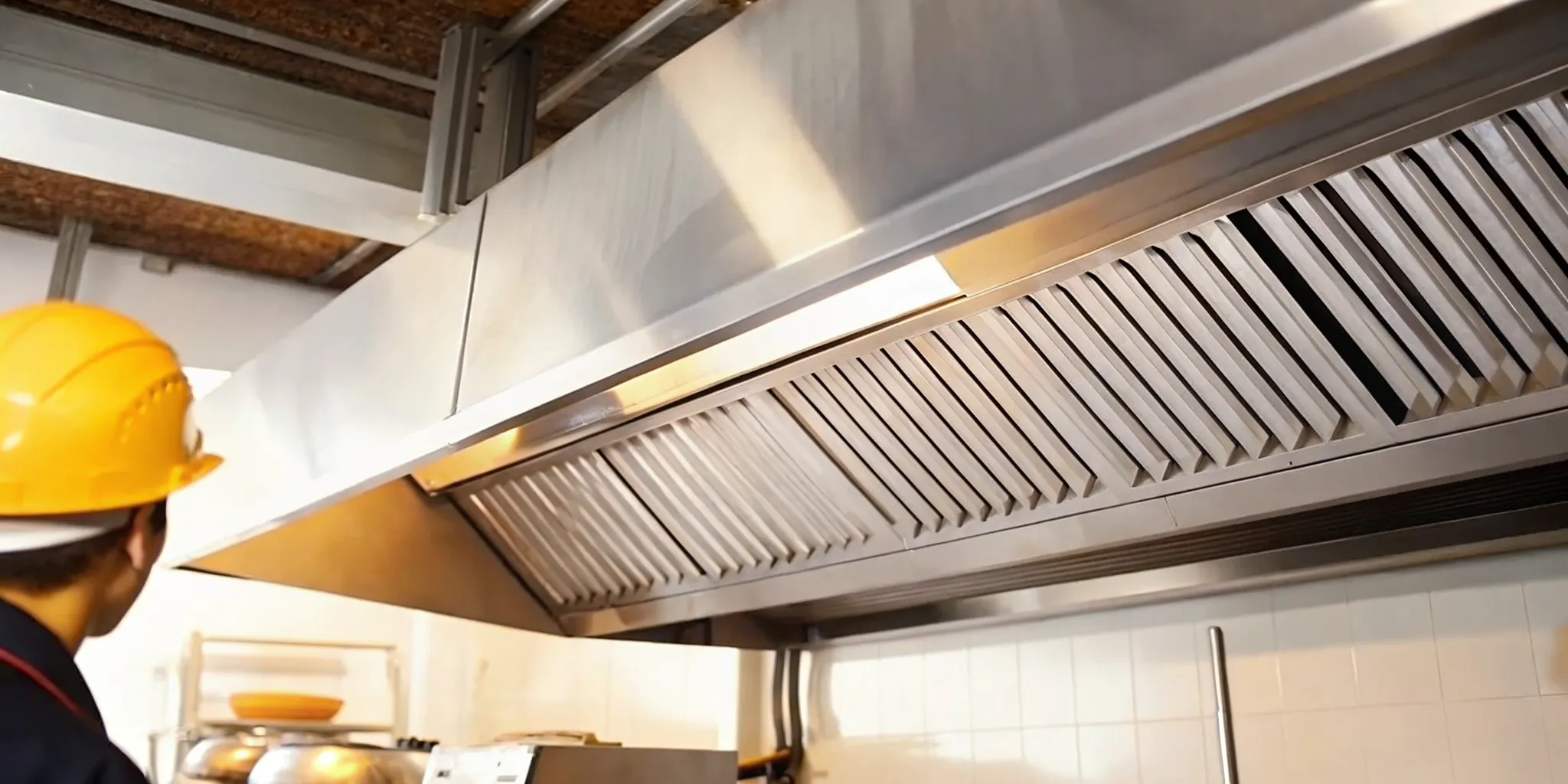
A citation involving a restaurant’s exhaust hood is not a routine maintenance reminder. Grease buildup, damaged ductwork, or a deficient fire suppression system can raise immediate fire-safety concerns and leave an owner facing penalties, a red tag, or a closure order.
A commercial kitchen exhaust violation florida issue usually requires licensed technical work, permitted remediation, complete documentation, and successful re-inspection by the appropriate building and fire officials. The fastest path is to address the cited deficiency directly instead of treating the citation as a cleaning-only problem.
Violation Clinic helps Florida restaurant and food service owners understand what the citation requires, coordinate the remediation process, and move toward compliance. Led by former senior building inspector Jeri Goodkin Dausey, the firm brings insider experience to municipal inspections and code enforcement. The first step is identifying which parts of the exhaust system commonly trigger citations and why officials treat them seriously.
Common Commercial Kitchen Exhaust Violations in Florida
A commercial kitchen exhaust violation in Florida can involve more than a dirty hood. Inspectors review the full exhaust and fire-safety system, including the hood, grease ducts, suppression equipment, ventilation balance, and compliance records. These systems must meet the Florida Building Code and NFPA 96 requirements, as reflected in the Monroe County commercial exhaust inspection checklist.
| Violation Type | Common Cause | Typical Consequence |
|---|---|---|
| Grease accumulation | Infrequent or incomplete hood/duct cleaning | Red tag, fire hazard citation, closure order |
| Fire suppression deficiency | Blocked nozzles, expired system, missing pull station | Failed inspection, immediate corrective order |
| Inadequate documentation | Missing cleaning logs, no maintenance agreement | Re-inspection fee, violation not cleared |
| Improper duct construction | Unwelded seams, missing access doors, no fire-rated enclosure | Required rework, failed mechanical inspection |
Grease accumulation and inadequate cleaning
Grease buildup in hood filters, plenums, fans, and ducts is one of the most serious recurring problems. The National Fire Protection Association identifies grease buildup in exhaust systems as the leading cause of kitchen fires. Cleaning frequency must match the type and volume of cooking and the rate at which grease accumulates, rather than relying on an informal schedule.
When cleaning is incomplete or records do not show that required maintenance occurred, the system may fail inspection even if the hood appears clean from the kitchen. A professional evaluation should identify concealed buildup and determine what must be corrected before reinspection.
Fire suppression system deficiencies
Fire suppression deficiencies commonly include blocked or poorly positioned nozzles, equipment that has been moved without adjusting protection, and expired or undocumented maintenance. The system must remain capable of protecting the cooking equipment it serves. A final suppression inspection and supporting test documentation may be required before approval.
Ventilation, make-up air, and documentation problems
Improper make-up air can prevent the exhaust system from operating as designed, creating smoke, heat, and pressure problems. Other citations arise when owners cannot produce maintenance agreements, inspection certificates, plans, specifications, or other required documentation. Missing records can lead to reinspection costs and delays even after physical repairs are complete.
Local fire marshals and building officials may respond to unresolved violations with fines, red tags, or temporary closure orders. If the issue is already affecting operations, review the broader context of commercial building violations in Florida and work with an experienced violation-remediation professional to coordinate the technical and compliance steps.
How Commercial Kitchen Hood Inspections Work in Florida
A commercial kitchen hood inspection is a coordinated compliance review, not simply a visual check of the hood. Local fire marshals, fire departments, and building compliance offices share enforcement responsibility, so approval may require both fire and building inspections. The process typically follows these steps:
-
1. Prepare the system and schedule the test
Before requesting an acceptance inspection, the contractor should complete a full system test. This includes checking the hood, exhaust duct, controls, and connected fire suppression equipment so deficiencies can be corrected before the fire marshal arrives. The contractor’s complete system test must occur before the formal Fire Inspector Acceptance Test, according to the Monroe County commercial exhaust inspection checklist.
Do not wait until the last minute to schedule the formal test. The checklist recommends 48 hours of advance notice for acceptance-test scheduling. Local procedures may vary, so confirm the scheduling requirement with the authority having jurisdiction.
-
2. Complete the fire marshal’s acceptance walkthrough
The fire authority reviews the commercial cooking exhaust and fire protection systems for compliance with applicable requirements, including NFPA 96 and the Florida fire and building codes. The inspection may include the hood and duct system, fire suppression operation, controls, and required test certifications. Local fire marshals and fire departments are primary enforcement authorities for commercial exhaust requirements.
The goal is to verify that the system operates as designed and that safety equipment is ready for use. A failed test can leave the business with corrective work, a re-inspection requirement, or an enforcement action if an existing violation remains unresolved.
-
3. Pass the building department’s mechanical inspection
Fire acceptance is only one part of the process. Florida mechanical requirements call for a final Building Department inspection of grease hoods and ducts. This review addresses the mechanical installation and related construction, while the fire authority focuses on fire protection and operational safety. Depending on the project, a separate building inspection may also be required for a rated duct enclosure.
That distinction matters when a restaurant has an open commercial kitchen exhaust violation in Florida. Passing one agency’s inspection does not automatically close the other agency’s requirements.
-
4. Present the documentation on-site
Keep maintenance logs, service contracts, inspection certificates, and applicable mechanical or alarm test certifications available at the property. The inspection checklist warns that incomplete items may result in a re-inspection fee. Missing records can therefore delay approval even when the physical system appears ready.
-
5. Address the outcome and schedule re-inspection
If the inspector identifies deficiencies, obtain a written correction list and have qualified professionals complete the required remediation. Then submit any requested documentation and coordinate the follow-up inspection with the appropriate agency. When the issue involves unpermitted work, code analysis and a formal remediation plan may be necessary before the violation can be cleared.
Fire Suppression System Requirements for Commercial Kitchens
Fire suppression equipment is not complete simply because it has been installed. Florida commercial kitchens must also demonstrate that the system is accessible, connected, maintained, and ready for formal acceptance. Missing one of these requirements can contribute to a fire code violations citation and delay approval of the exhaust system.
Accessible manual activation
A manual pull station must be located at or near an exit from the cooking area. It must be securely mounted no lower than 42 inches and no higher than 48 inches above the floor. This placement allows staff to activate the suppression system while moving toward an exit during an emergency. The requirement appears on the Monroe County commercial exhaust inspection checklist.
Acceptance testing and alarm certification
Before the system receives final approval, the fire marshal must complete a final fire suppression system inspection. The equipment should be tested by qualified professionals before that inspection, with deficiencies corrected and supporting records available. A system that has not been properly tested may require another inspection rather than receiving operational approval.
Where the kitchen exhaust suppression system connects to the facility’s fire alarm network, alarm system certification is mandatory. The certification confirms that the integrated components communicate as intended. Mechanical and alarm test documentation should be organized before the acceptance visit, not assembled after an inspector identifies missing records.
Maintenance agreements and ongoing compliance
Owners should maintain a current Cooking Equipment Maintenance Agreement for every cooking appliance that collects grease. This contract gives inspectors evidence that the equipment is covered by an ongoing maintenance program, rather than being serviced only after a problem appears.
Regular professional testing remains important after the initial acceptance. Qualified technicians can identify failed components, expired service conditions, or changes to the cooking line that affect the suppression system. If your kitchen has already received a citation, treating the inspection as a paperwork issue alone can leave the underlying safety deficiency unresolved. A compliance professional can coordinate the required testing, documentation, and remediation path.
Grease Duct and Hood Construction Standards Under Florida Code
A compliant commercial hood system depends on more than the visible canopy above the cooking line. The ductwork must be built, enclosed, and documented so inspectors can verify that grease is contained, the structure is protected, and the exhaust system performs as designed. Florida installations are reviewed under the Florida Building Code and applicable NFPA 96 requirements.
Welded duct seams help prevent grease leakage
Grease duct seams and joints must be liquid-tight and finished with a continuous external weld. This construction prevents grease and contaminated exhaust from escaping through weak or improperly sealed connections. A visible gap, incomplete weld, or leaking joint can become a code concern and may require correction before the system receives approval. The requirement is identified in the Monroe County commercial exhaust inspection checklist.
Access doors must support inspection and cleaning
An opening is required at every change in duct direction so the interior can be inspected and cleaned. These access doors must be removable without tools. If panels are missing, inaccessible, or fastened in a way that prevents removal, the system may not be serviceable even if the hood appears to operate normally. Access points should be considered throughout the duct route, not only near the hood or roof termination.
Fire-rated areas require protected duct routing
When a grease duct passes through a fire-rated area, it must be properly encased by a metal chase before the surrounding construction is enclosed. The rated enclosure requires its own inspection so officials can verify the protection before it is covered. Closing walls or ceilings before that inspection can create avoidable delays and may require portions of the work to be opened again.
Air balance and plan review complete the compliance record
A certified third party must prepare an Air Balance Report to document that the ventilation system functions as designed. Plans and specifications also give reviewers the information needed to evaluate the installation against applicable state and municipal requirements.
If an existing restaurant has been cited for a commercial kitchen exhaust violation in Florida, missing plans, concealed ductwork, or incomplete testing should be addressed as part of the remediation strategy.
These technical deficiencies often require coordinated review by qualified contractors, inspectors, and violation specialists. Correcting the physical work without assembling the required inspection and testing documentation may leave the violation unresolved.
How to Resolve a Commercial Kitchen Exhaust Violation in Florida
Resolving an exhaust citation requires more than cleaning the hood. The system, permits, records, and inspection results must support one clear finding. The commercial kitchen must be operating with a compliant, documented exhaust and fire-safety system.
-
Hire a licensed professional for a complete system audit
Start with a licensed professional who can evaluate the hood, grease ducts, exhaust fan, fire suppression components, electrical connections, and related mechanical work. The audit should identify visible deficiencies, concealed conditions, missing plans, and work that may not have been permitted. Complete plans and specifications are important because proper installation cannot be verified without them, according to the commercial exhaust inspection checklist.
-
Legalize unpermitted exhaust work
If the hood, ductwork, fan, or related construction was installed or altered without the required permits, do not treat the violation as a routine maintenance issue. Legalization typically involves filing retroactive permits, arranging professional inspections, and verifying that the system meets current standards. Professional permitting also helps avoid additional enforcement problems, including stop-work orders. A building code violation consultant can coordinate the remediation path and help align the documentation with the jurisdiction’s review process.
-
Establish the required NFPA 96 cleaning schedule
Cleaning frequency is not one-size-fits-all. Under NFPA 96 guidance, it is based on the type and volume of cooking and the rate at which grease accumulates. Set a written schedule with a qualified service provider, retain each service record, and address deficiencies rather than documenting a cleaning that leaves the system out of compliance. See the NFPA 96 standard for the governing requirements.
-
Assemble the documentation package
Prepare maintenance and cleaning logs, service contracts, inspection certificates, permit records, plans, specifications, and any available air balance reports. Keep the package organized and readily available for the inspector. Missing documentation can create delays, trigger re-inspection requirements, or make it difficult to demonstrate that corrected work is complete.
-
Prepare for re-inspection
Before requesting re-inspection, have the licensed contractor complete a full system test and correct every item identified in the audit. The fire marshal and building department may review different parts of the system, including fire protection and final mechanical compliance. Also confirm which code edition applies. Florida’s 2023 Building Code changes updated mechanical and plumbing requirements for commercial systems, so older work may need careful code verification before approval.
The goal is a defensible correction package, not a temporary fix. Addressing the violation systematically gives the reviewing officials the evidence they need to close the matter and helps the business return to compliant operation.
Frequently Asked Questions
What are common commercial kitchen exhaust violations in Florida?
Typical citations involve grease accumulation, inadequate cleaning, deficient fire suppression equipment, missing documentation, or problems with hood and duct construction. Exhaust systems must comply with the Florida Building Code and NFPA 96. Source: Gainesville commercial hood checklist.
How often must a commercial kitchen hood be cleaned?
There is no single schedule for every restaurant. Required cleaning frequency depends on the cooking operation, production volume, and rate of grease buildup under NFPA 96 guidance. A qualified hood-cleaning professional should document the work and help match the schedule to actual kitchen use. Source: NFPA 96.
Who enforces commercial kitchen exhaust codes in Florida?
Enforcement may involve the local fire marshal, fire department, and building compliance officials. A citation can therefore involve more than one inspection track, especially when the issue affects fire suppression, mechanical equipment, ductwork, or rated construction. Source: Gainesville commercial hood checklist.
What can happen after an exhaust system citation?
Unresolved deficiencies can lead to fines, a red tag, required corrective work, reinspection, or temporary closure. The appropriate response depends on the citation and the authority that issued it, so owners should address the violation promptly rather than continuing operations on an unresolved assumption. Source: Gainesville commercial hood checklist.
How can a restaurant legalize unpermitted exhaust work?
Legalization generally requires documenting the existing system, obtaining the appropriate retroactive permit, completing professional inspections, correcting deficiencies, and passing the required building and fire reviews. Because the path depends on the system and local requirements, expert violation remediation is safer than attempting to submit an incomplete fix.
Ready to Resolve Your Commercial Kitchen Exhaust Violation?
If your restaurant is facing a citation or red tag, the right remediation plan can help clarify the steps needed to address the issue and work toward compliance. Violation Clinic helps Florida property and food service owners navigate commercial kitchen exhaust violations with experienced professional representation. Contact Violation Clinic to discuss your situation and get started.