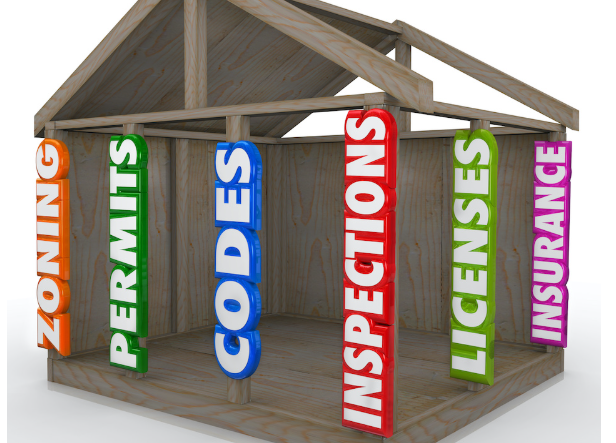
Discovering an unpermitted renovation or receiving an official notice from your local building department can instantly cause stress. Property owners often fear that admitting to unapproved work will lead to immediate demolition orders, exorbitant fines, or legal action.
In reality, municipal authorities generally want properties to reach compliance safely. Whether you bought a house with an unpermitted room addition or initiated a project without securing the proper approvals, there is a clear roadmap to resolve these issues. Learning how to correct unpermitted construction without facing severe financial penalties helps protect your investment and maintain peace of mind.
Common Reasons Property Owners Receive Code Violations and Fines
Municipal code enforcement officers issue citations for a variety of structural and operational safety issues. Understanding why these notices occur is the first step toward resolving them.
COMMON CODE COMPLIANCE TRIGGER POINTS |
|
|---|---|
| Unpermitted Construction | Additions, electrical, or plumbing |
| Zoning & Land Use Violations | Improper setbacks or use types |
| Neglected Maintenance & Aesthetics | Overgrown lots, peeling exterior |
| Unsafe Structural Conditions | Cracking concrete, roof leaks |
| Missed Mandatory Inspections | Expired permits, recertification |
1. Unpermitted Construction and Alterations
Building without proper permits remains one of the most frequent enforcement triggers. This includes converting a garage into living space, enclosing a patio, or making major electrical and plumbing updates without municipal review.
2. Zoning and Land Use Violations
Zoning codes govern how properties are used, including lot coverage, setback boundaries from property lines, and height restrictions. Running an unapproved commercial operation in a residential district or building too close to a property line can trigger immediate action. Learn more about resolving these conflicts on our guide to zoning violations.
3. Neglected Property Maintenance and Aesthetics
Local governments enforce community standards to protect public health and neighborhood property values. Overgrown vegetation, structural exterior deterioration, standing water, or accumulated debris regularly draw citations from local code officers.
4. Unsafe Conditions
Damaged roofing, crumbling concrete balconies, exposed wiring, or compromised structural elements present immediate life safety hazards. Local authorities act quickly when a property presents physical dangers to occupants or neighbors.
5. Missed Inspections and Expired Permits
Permits have strict expiration dates. If a contractor starts work under an active permit but fails to schedule final inspections, the permit expires. Open or expired permits leave a cloud on the property title and can prevent future sales or refinancing until cleared through inspections.
The Legal Requirement: Building Recertification in Florida
In Florida, maintaining structural safety is a continuous legal obligation. Under updated state statutes and local ordinances (such as Chapter 8 of the Miami-Dade County Code), older commercial and residential structures must undergo periodic safety evaluations.
FLORIDA BUILDING RECERTIFICATION PENALTIES |
|
|---|---|
| Initial Penalty | $510 citation fee |
| Non-Compliance Escalation | Up to $10,000 per violation |
| Daily Accrued Fines | $100 – $500 per day |
| Ultimate Action | Eviction / Unsafe Structure Board |
When a property reaches a landmark age (such as 25 or 30 years under current Florida milestone inspection rules), the owner receives a mandatory Notice of Required Inspection.
Failing to complete this evaluation brings immediate legal consequences. Initial civil citations begin at $510. Continued non-compliance can escalate penalties up to $10,000 per violation, result in daily fines assessed by a magistrate, or lead to an order to vacate.
Property owners who receive a notice can get expert guidance through Violation Clinic’s Building Recertification and Services.
Actionable Steps to Correct Unpermitted Work and Prevent Fines
Resolving unpermitted construction requires a systematic approach. Following these best practices helps resolve existing code issues while minimizing penalty costs.
Step 1: Request Stop Work Order Removal
If active construction triggered a red tag or formal order from an inspector, stop all physical labor immediately. Continuing work after receiving a warning leads to aggressive fines and legal action. Focus instead on Stop Work Order Removal by contacting the local building department to determine the exact steps needed for compliance.
Step 2: Hire Licensed Professionals
Correcting unpermitted work almost always requires retroactively submitting signed and sealed plans. Engaging a licensed architect, professional engineer, or certified contractor ensures that submitted plans satisfy current Florida Building Code guidelines.
Step 3: Legalize Through After the Fact Permitting
Most jurisdictions allow property owners to apply for “after the fact” or legalization permits. An engineer or inspector evaluates the existing work—sometimes requiring selective wall openings to inspect internal electrical wiring or plumbing—to confirm the work meets code standards.
Step 4: Secure Special Magistrate Representation If Fines Exist
If your violation has advanced to a formal hearing before a code enforcement board or special master, do not skip the court date. Securing experienced Special Magistrate Representation allows you to present a clear remediation timeline, request fine reductions, and avoid default judgments.
Step 5: Complete Final Inspections and Secure Documentation
Once all required corrective work passes inspection, verify that the building official closes out the violation and issues any necessary Certificate Of Occupancy Assistance or final completion letters. Review essential code compliance tips to keep your property records clear long-term.
Real World Case Examples: Bringing Properties Into Compliance
Case Study 1: Resolving Unsafe Structure Violations on an Unpermitted Addition
- The Situation: A South Florida commercial property owner enclosed a rear loading patio into an office space without applying for permits. An inspector spotted the work during an adjacent review and issued citations for Unsafe Structure Violations along with a daily fine structure.
- The Solution: The owner retained a structural engineer to assess the enclosure’s framing, wind load resistance, and electrical wiring. The engineer drafted as-built drawings and identified two small framing modifications required to meet the local wind code.
- The Result: After submitting the plans for an after the fact permit and completing the framing adjustments, the structure passed final inspection. The owner’s representative appeared at a code hearing and successfully negotiated a 90% reduction in accrued administrative fines.
Case Study 2: Clearing an Expired Permit Prior to Property Sale
- The Situation: A residential property owner listed a home for sale, but the buyer’s title search uncovered an open roof permit from eight years prior that never received a final inspection.
- The Solution: A licensed inspector performed a roof condition assessment to confirm structural integrity and compliance with Florida Department of Business and Professional Regulation (DBPR) standards.
- The Result: The building department granted a re-inspection, approved the existing installation, and closed the expired permit without levying penalties, allowing the sale to close smoothly.
Proactive Best Practices for Long-Term Compliance
Preventing violations is far easier and less expensive than resolving existing citations.
- Check Permit Requirements Early: Before starting any structural, electrical, mechanical, or plumbing project, check with your local building department to verify if permits are required.
- Schedule Regular Property Audits: Conduct annual reviews of your property’s exterior, roof systems, and electrical panels to identify minor maintenance needs before they attract municipal attention.
- Maintain Accurate Records: Keep copies of all architectural plans, permit receipts, final inspection sign offs, and contractor agreements in a central file.
- Monitor Recertification Schedules: For older buildings in Florida, stay aware of building age milestones to begin engineering reviews long before official notice letters arrive.
Related Posts and Resources
- The Ultimate Guide to Navigating Building Violation Notices
- Special Magistrates: What to Know Before Your Hearing
- Florida Building Code Violations: A 2025 Guide to Resolution and Compliance
Summary and Conclusion
Unpermitted construction and outstanding code violations create serious financial and legal liabilities for property owners. However, receiving a notice of violation does not have to result in catastrophic fines or property loss. By acting quickly, halting unauthorized work, working with licensed design professionals, and utilizing legalization processes, you can bring any structure into full compliance safely and affordably. Proactive property management and timely adherence to mandatory programs such as Florida’s building recertification requirements, ensure your real estate investment remains secure, marketable, and safe
At the Violation Clinic, we specialize in helping property owners navigate the violation process smoothly. Whether you need assistance with inspections, violations, or compliance issues, our team is here to help. Don’t wait until it’s too late, take action today to protect your investment and ensure the safety of your property.
For more information or assistance, contact us at (786) 885-2613 or ViolationClinic.com!