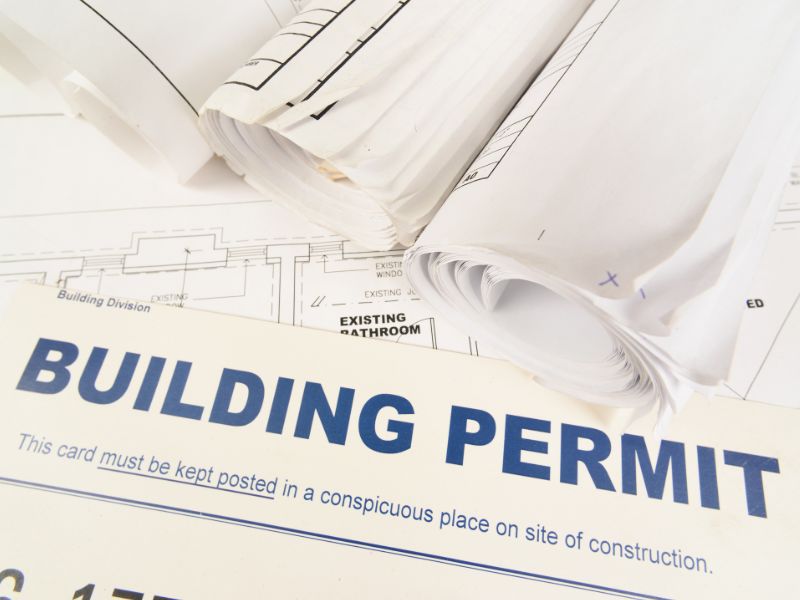
In the world of real estate and property ownership, few things are as stressful as receiving a formal code violation notice. Often, the root cause of these costly fines and legal challenges is not a new issue, but a forgotten bureaucratic detail: an open or expired building permit.
An open permit is a public record indicating that a construction project was started but never officially completed or closed out with the local building department. This happens when the final required inspections were missed or failed. An expired permit is similar, but worse—it signifies a permit that was valid for a set period (typically six months to a year without progress, or a longer period after the work began) but was allowed to lapse without the required final sign-offs.
For property owners, especially in Florida’s highly regulated market, an open or expired permit is a ticking time bomb. It can halt the sale of a property, void insurance claims, trigger exorbitant fines, and expose the owner to significant liability if an uninspected system fails.
Why You Receive a Violation: Common Triggers for Fines
Local code enforcement agencies do not target property owners randomly; they investigate specific breaches that compromise community safety, public welfare, and official municipal planning. Understanding the common reasons property owners receive code violations and fines is the first step toward proactive compliance.
The majority of property code violations in Florida stem from a few core issues:
1. Unpermitted Construction (The Big One)
This is arguably the most severe and common violation. It involves starting, modifying, or completing construction work that legally requires a building permit but was undertaken without one. This could range from installing a new water heater to adding a screened-in porch or converting a garage. Local jurisdictions enforce compliance with the current Florida Building Code, 8th Edition (2023), which governs everything from structural integrity to energy efficiency.
- The Fine: When unpermitted work is discovered (often during a property sale or neighbor complaint), the owner is typically required to apply for a “Permit for Unpermitted Work” (or similar designation) and pay hefty penalty fees, often doubling or quadrupling the standard permit fee.
2. Zoning and Land Use Violations
While building codes govern how you build, zoning regulations dictate what you can build and where. Violations occur when a property’s use or structure conflicts with the established municipal code. Examples include operating a commercial business in a residential zone, improper setback distances from property lines, or exceeding allowable fence heights. These fines often require costly demolition or a lengthy, uncertain variance application process. To learn more, visit our resource on zoning violations.
3. Neglected Property Maintenance and Unsafe Conditions
Code violations often start small. Neglected property maintenance, such as peeling paint, broken fences, overgrown landscaping, or accumulation of debris, can trigger code enforcement action. More serious violations involve unsafe conditions, such as loose railings, collapsing retaining walls, unsealed swimming pools, or compromised electrical systems. These are not merely aesthetic issues; they represent a direct hazard to public safety and can result in immediate fines and mandatory corrections.
4. Missed or Skipped Inspections
This is the specific cause of an open or expired permit. Every building permit comes with a series of mandatory inspections (e.g., foundation, framing, plumbing, electrical rough-in, insulation, and final). If a contractor or owner misses one of these critical checkpoints, the project cannot proceed legally, and the permit remains open. If the permit’s validity period passes without the final inspection, it becomes expired, leaving the municipality with no record of the work’s compliance.
The Step-by-Step Solution: How to Resolve an Open or Expired Permit
An open or expired permit is not a permanent scar on your property record. With a structured approach and professional guidance, the situation is resolvable.
Step 1: Research, Identify, and Quantify the Problem
Your first action must be to determine the exact status of the open permit.
- Access Public Records: Nearly all local Florida building departments (e.g., Miami-Dade, Broward, Hillsborough County) have online permit portals. Search using your property’s Parcel ID (Folio Number) or address. This will reveal the permit number, original scope of work, issuing date, and the list of failed or missing inspections.
- Determine the Scope of Work: Identify the actual work that was done. Was it a new roof, a kitchen remodel, or a minor electrical upgrade? You must know what needs to be inspected.
- Assess the Code: Identify the building code version that was in effect when the permit was originally issued. This is critical, as you are typically required to meet the code at the time of the original permit, not the current code, unless the work is deemed an unsafe condition that requires immediate upgrade.
Step 2: Engage Licensed and Qualified Professionals
Attempting to navigate the complexities of expired permits, especially those involving structural or mechanical work, without professional help is a common and costly mistake.
- Architect/Engineer Consultation: For structural, complex, or older expired permits, you may need a Florida-licensed Architect or Professional Engineer to perform a “post-construction” evaluation. The professional will inspect the existing work, create drawings or schematics detailing the uninspected construction, and prepare an Affidavit of Completion and Compliance. This document certifies that the work, to the best of their ability, meets the relevant building codes.
- Hiring a Licensed Contractor: If the work was left incomplete or requires significant modifications to meet code (e.g., adding proper insulation, fixing electrical wiring), you must hire a Florida-licensed contractor in the relevant trade (General, Roofing, Electrical, etc.) to perform the necessary corrective work and represent you at the inspections.
Step 3: Correct Deficiencies and Schedule Final Inspections
The goal is to move the open or expired permit status to “Final Inspection Scheduled.”
- Reactivating/Closing the Permit: For expired permits, the process typically involves paying an expiration fee and a re-inspection fee. Some jurisdictions may require a new permit application process altogether, with the original permit number referenced.
- Correcting Work: Based on the professional’s assessment or the original inspection comments, complete any required repairs or modifications. This often involves uncovering finished surfaces (drywall, stucco) to expose the hidden rough-in work (plumbing, wiring, framing) for inspection.
- Passing the Inspection: The contractor or design professional will submit the necessary documents (affidavits, revised plans, repair descriptions) and schedule the final inspections. The municipal inspector will review the visible work and documentation. Once all required inspections (from rough-in to final) have passed, the permit is officially closed.
Step 4: Final Approval and Title Clearance
Once the permit is closed, ensure the official record reflects this change.
- Obtain the Closed Permit Document: Request a physical or digital copy of the permit card or online record showing the status as “Finaled,” “Closed,” or “Completed.”
- Protect Your Investment: This document is vital for property sales, refinancing, and insurance claims. If the permit issue was linked to a code lien, the final closure document is necessary to clear the lien and avoid the potential for fines to escalate.
Proactive Compliance: Best Practices to Avoid Future Fines
The secret to avoiding the headache of expired permits and escalating fines is a commitment to proactive property management and strict adherence to Florida’s unique building code landscape.
1. Always Obtain Necessary Permits and Vetting
The most direct way to avoid an unpermitted construction violation is to always ask: “Does this require a permit?” In Florida, the answer is usually yes for anything involving electrical, plumbing, HVAC, structural changes, roofing, or window/door replacement.
- Vetting Your Contractor: When hiring a professional, confirm they are licensed and fully insured. Crucially, ensure the contract explicitly states that the contractor is responsible for obtaining all required permits and calling for all mandatory inspections. Never pay a final invoice until the permit is officially closed out.
2. Scheduling Regular Compliance Check-ups
Preventative maintenance is cheaper than corrective enforcement.
- Regular Inspections: Implement a schedule for structural and system safety checks. Have a licensed electrician check your main panel, a roofer check your flashing and shingles, and a plumber check your main lines every few years. This helps you identify and fix minor issues before they become major code violations. For a comprehensive list of required checkpoints, review our inspections guide.
- Maintaining Property Aesthetics and Safety: Simple steps like removing junk, keeping landscaping trimmed, and quickly repairing visible exterior damage prevent your property from drawing the attention of code enforcement officers.
3. Staying Informed About Local Florida Building Codes and Regulations
Florida’s codes are notoriously strict, a necessity given the state’s susceptibility to hurricanes and severe weather. The Florida Building Code (FBC) is constantly updated to incorporate the latest standards for wind resistance, flood mitigation, and life safety.
The current FBC, 8th Edition (2023), mandates specific requirements for:
- High-Velocity Hurricane Zones (HVHZ): Stricter rules for construction in areas like Miami-Dade and Broward counties regarding materials, windows, and structural components.
- Energy Conservation: Strict compliance with energy-efficient construction methods, as outlined in the Energy Conservation Volume of the FBC.
4. Mandatory Inspections: The Legal Requirement of Building Recertification
For owners of commercial buildings, multi-family residences, and condominiums, especially in South Florida, some inspections are legal requirements that cannot be avoided.
Following the tragic collapse of the Champlain Towers South condominium in Surfside, Florida enacted Florida Statute §553.899 (Milestone Inspections) and local ordinances (like those in Miami-Dade and Broward Counties) to enforce mandatory structural safety inspections for aging buildings.
Building Recertification and Milestone Inspections
In key Florida jurisdictions, structures must undergo a formal Building Recertification Inspection to prove they are structurally and electrically safe for continued occupancy.
- Age Triggers: In many local codes (like Miami-Dade County Code, Section 8-11(f)), the inspection is required when a building reaches 30 years of age from the date of Certificate of Occupancy, and every 10 years thereafter. Buildings near the coastline may have an initial inspection trigger at 25 years.
- The Penalty for Non-Compliance: Failure to submit the required structural and electrical recertification reports to the Building Official within the mandated deadline can lead to severe penalties. Jurisdictional fines are implemented to enforce compliance, with potential administrative fines often starting at $510 and escalating up to $10,000 for continued non-compliance. In the most severe cases of failure to comply or fix deficiencies, the local authority has the power to order the building to be vacated and condemn the structure.
This is a non-negotiable legal obligation. If your property is nearing or past its required recertification milestone, seek professional help immediately. Violation Clinic provides dedicated assistance with the complex process of mandatory structural and electrical assessments.
Resource: To ensure your building meets the state’s mandatory requirements and to learn how to avoid massive recertification fines, explore our specialized Building Recertification and Services today.
Related Posts and Resources
- Understanding Zoning Violations: What Property Owners Need to Know: https://violationclinic.com/understanding-zoning-violations-what-property-owners-need-to-know/
- The Ultimate Guide to Navigating Building Violation Notices: https://violationclinic.com/the-ultimate-guide-to-navigating-building-violation/
- Can You Fight a Building Code Violation? Yes — Here’s How:
- https://violationclinic.com/can-you-fight-a-building-code-violation-yes-heres-how/
- Official Florida Building Code (8th Edition, 2023): https://www.floridabuilding.org/bc/bc_default.aspx
- Miami-Dade County Building Recertification Program: https://www.miamidade.gov/global/economy/building/recertification.page
Summary and Conclusion
Open and expired building permits represent a lapse in regulatory compliance that no property owner can afford to ignore. These administrative omissions carry substantial financial and legal consequences, particularly in Florida, where strict codes are enforced to protect public safety and property values against natural disasters.
At ViolationClinic.com, we specialize in helping property owners navigate the recertification process smoothly. Whether you need assistance with inspections, violations, or compliance issues, our team is here to help. Don’t wait until it’s too late, take action today to protect your investment and ensure the safety of your building.
For more information or assistance, contact us at ViolationClinic.com!