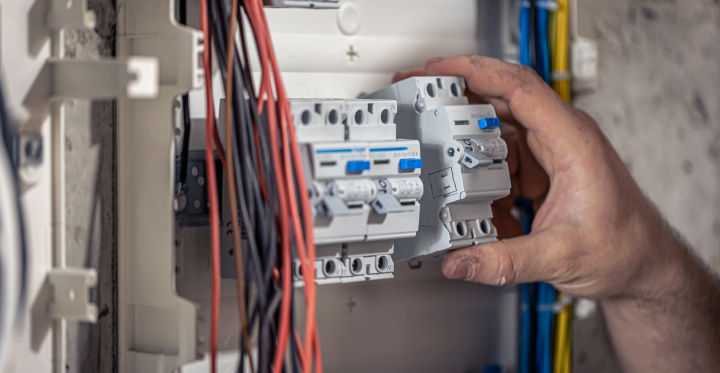
For any property owner, investor, or facility manager, nothing halts operations, complicates transactions, or creates liabilities faster than a building code infraction. While many violations pertain to structural issues or improper zoning, one of the most serious and common culprits is electrical code non-compliance. Electrical infractions pose an immediate threat to life and property, making their resolution a critical and time-sensitive matter.
A clear and prompt resolution strategy is vital not only to avoid escalating fines but to ensure the fundamental safety of occupants and the integrity of your investment. At the Violation Clinic, we understand that navigating complex local regulations and state-level requirements, particularly those set forth by the Florida Building Code (FBC), can be daunting.
This comprehensive guide serves as your professional resource for understanding, preventing, and resolving electrical code violations, positioning your property on the path to full compliance.
Understanding the Spark: Common Reasons for Electrical Code Fines
Electrical code violations, often rooted in the adoption of the National Electrical Code (NEC) by state and local jurisdictions, are frequently issued for work that bypasses the mandatory inspection process. These issues usually don’t exist in isolation; they are symptoms of broader compliance failures.
Here are the most common reasons property owners receive citations and fines related to electrical systems:
1. Unpermitted Construction and DIY Electrical Work
The most frequent source of electrical code infractions is unpermitted construction. This occurs when a property owner or an unlicensed contractor performs significant modifications or installations without obtaining the required municipal permit.
- Examples of Electrical Violations:
- Installing a new sub-panel or upgrading the main service panel (breaker box) without a permit.
- Running new electrical circuits, adding outlets, or installing extensive new lighting (especially in renovations or additions).
- Unapproved installation of high-load devices, such as EV chargers, generators, or solar power systems.
- Concealing new or modified wiring behind walls, ceilings, or floors before the required rough-in inspection is completed.
In Florida, commencing any work on an electrical system before securing the necessary permits (as mandated by FBC, Section 105.1) often results in a penalty fee, sometimes double the original permit cost.
2. Unsafe Conditions and Neglected Property Maintenance
Property maintenance violations frequently intersect with the electrical code, especially in older buildings where wear and tear create hazards. These infractions are typically issued for conditions that present an immediate danger of fire or electrocution.
- Neglected Electrical Maintenance: Issues like frayed or exposed wiring, improperly spliced connections (often hidden in attics or crawlspaces), non-approved extension cords used as permanent wiring, and overloaded circuits indicate a failure to maintain system safety.
- Outdated Components: Many older Florida properties still utilize outdated systems, such as fuse boxes or Federal Pacific Electric (FPE) panels, which inspectors may flag as unsafe conditions if they show signs of failure or overheating, even if they were compliant at the time of original installation.
3. Missed or Skipped Inspections
For most permitted electrical work, multiple inspections are legally required at various stages (e.g., rough-in, insulation, and final). Failure to schedule or pass these mandated inspections prevents the issuance of a Certificate of Occupancy or Completion, leaving the project in violation status.
4. Zoning and Utility Violations (Indirect Electrical Issues)
While primarily a zoning violation, unauthorized changes to the property’s use or layout can inadvertently trigger electrical code problems. For instance, converting a garage into an unpermitted dwelling unit changes the electrical load requirements and occupancy classification, necessitating a full review and upgrade of the electrical service and safety features (like GFCI/AFCI protection) that may not have been performed.
To learn more about related property issues, consult our guide on Understanding Zoning Violations: What Property Owners Need to Know.
The Florida Mandate: Building Recertification and Escalating Fines
In Florida, proactive compliance is not just a suggestion—it is a legal requirement, particularly in highly populated and coastal areas. Following the implementation of new state laws, many multi-family residential and commercial buildings are subject to rigorous Building Milestone Inspections, often referred to as the 40/30-Year Recertification.
This process explicitly includes a mandatory electrical system evaluation to confirm the systems are structurally and electrically safe for continued occupancy.
The Cost of Non-Compliance
Ignoring a Notice of Required Recertification or failing to complete required electrical and structural repairs within the specified timeframe carries severe financial and legal penalties.
- Initial Fines: In jurisdictions like Miami-Dade County, non-compliance with recertification deadlines can lead to initial penalties starting around $510.00.
- Escalation: Continued non-compliance quickly results in accumulating daily fines that can rapidly reach an astounding maximum penalty of $10,000.00 or more per violation.
- Condemnation: Worst-case scenarios involve referral to the Unsafe Structures Unit, leading to the potential condemnation and mandated evacuation of the building until compliance is achieved.
Proactive electrical inspection is the only way to safeguard your investment against these penalties.
If your property is approaching its recertification deadline, securing expert assistance is non-negotiable. Learn how to manage this critical process efficiently by utilizing Violation Clinic’s Building Recertification and Services.
Proactive Compliance: Your 5-Step Resolution & Prevention Plan
Resolving a current electrical code infraction and establishing long-term compliance requires a systematic, expert-driven approach.
Step 1: Secure Professional Assessment and Permitting
Do not attempt to fix a violation yourself, especially if the original work was unpermitted. The first step is to hire a state-certified master electrician or an experienced building code consultant who can:
- Identify the Root Cause: Determine precisely which section of the National Electrical Code (NEC) (Chapter 27 of the FBC) and local ordinances were violated.
- Develop a Correction Plan: Create detailed construction documents and plans for the remediation work.
- Obtain Retroactive Permits: Apply for the necessary permits for the correction work. This process, known as pulling permits “after the fact,” is often penalized but is the only legal route to resolution.
Step 2: Ensure Electrical System Safety and Structural Integrity
Your remediation plan must focus heavily on ensuring safety, which is the primary intent of the electrical code.
- Wiring and Load Calculation: Verify that wiring gauges, insulation types, and conduit installations comply with current FBC standards for the specific load requirements. Correct any signs of overheating, improper splices, or poor grounding.
- Upgrades: Ensure that the service panel and sub-panels are correctly labeled, accessible, and rated for the building’s needs. If replacing a panel, confirm it includes modern safety features like Arc-Fault Circuit Interrupters (AFCI) and Ground-Fault Circuit Interrupters (GFCI) where required by code.
- Documentation: Maintain meticulous records, including receipts for certified materials and copies of the electrician’s license, insurance, and worker’s compensation.
Step 3: Schedule and Pass Mandatory Inspections
Once the corrective work is complete, the inspector must officially sign off on the repairs.
- Timeline Adherence: Understand the jurisdiction’s specific time limits for calling for inspections. Missing a key inspection deadline can reset the violation clock or incur new fees.
- Pre-Inspection Check: Before the official visit, have your contractor walk through the site with the specific electrical inspection checklist (often provided by the local building department) to prevent a failed inspection, which usually triggers an expensive re-inspection fee.
- Final Certification: Once the work passes, the municipality will issue a Certificate of Completion or Occupancy, officially closing the violation case.
For expert tips on streamlining this process, read our post on Can You Fight a Building Code Violation? Yes — Here’s How.
Step 4: Implement a Routine Electrical Maintenance Schedule
Prevention is significantly less costly than resolution. Implement a rigorous, documented maintenance program to keep your electrical systems safe and compliant.
- Annual Checks: Conduct annual visual inspections of service panels, ensuring secure connections and correct amperage.
- Thermal Imaging: For large commercial or multi-family properties, use thermal imaging to identify electrical components that are running excessively hot—a common precursor to electrical failure and fire hazards.
- Documentation: Keep a log of all repairs, replacements, and routine maintenance activities. This paper trail is invaluable during future inspections or recertification audits.
Step 5: Stay Informed on Florida Building Codes and Local Amendments
The Florida Building Code, including its reference to the NEC, is updated every three years. Owners of commercial and rental properties, in particular, must remain current on new editions and local city/county amendments, which can introduce specific requirements for wiring, hurricane-resistant electrical components, or renewable energy installations.
You can access the current edition of the FBC directly through the International Code Council (ICC) or the Florida Building Commission.
Case Study: Resolving an Unpermitted Electrical Panel Infraction
The Violation: A commercial office building owner in Broward County hired an uncertified handyman to replace an outdated 100-amp electrical panel with a new 200-amp panel to accommodate new IT equipment. The work was completed, but no permits were pulled, and the wiring connections were improperly terminated in the new panel. A fire marshall, conducting a routine fire safety check, identified the new panel and issued a serious citation for Unsafe Electrical Condition and Unpermitted Construction, with a mandatory fine of $1,000 immediately, plus daily penalties until the hazard was resolved.
The Resolution Strategy:
- Stop Work Order & Consultation: The owner immediately contacted the Violation Clinic. We secured a licensed electrical contractor to halt all work and assess the damage.
- Permit Acquisition: We worked with the contractor to prepare detailed plans showing the correct load calculation and wiring schematics for the 200-amp upgrade. We filed for an after-the-fact permit, incurring the doubled permit fee penalty.
- Correction: The contractor corrected the grounding, re-terminated all circuits properly, and installed required AFCI protection in common areas, ensuring compliance with the current FBC 8th Edition (2023).
- Inspection and Compliance: The city electrical inspector approved the work. The Certificate of Completion was issued, and a compliance report was submitted to the code enforcement magistrate, resulting in the dismissal of the daily accruing fines.
Outcome: By acting swiftly and professionally, the owner minimized daily fines and converted a serious, high-risk violation into a fully permitted, compliant, and safe electrical system, preventing potential fire and significant liability.
Related Posts and Resources
To further support your journey toward total code compliance, explore these essential resources:
- https://violationclinic.com/can-you-fight-a-building-code-violation-yes-heres-how/
- Top 5 Building Code Violations in Florida (And How to Avoid Them)
- Building Violation vs. Code Violation: What’s the Difference?
Conclusion: Prioritizing Safety and Expert Guidance
Resolving an electrical code infraction is not merely a bureaucratic chore; it is a critical step in preserving the safety, value, and functionality of your property. From unpermitted wiring to overlooked recertification deadlines, the financial and safety risks associated with non-compliance in Florida are simply too high to ignore.
At ViolationClinic.com, we specialize in helping property owners navigate the recertification process smoothly. Whether you need assistance with inspections, violations, or compliance issues, our team is here to help. Don’t wait until it’s too late, take action today to protect your investment and ensure the safety of your building.
For more information or assistance, contact us at ViolationClinic.com!