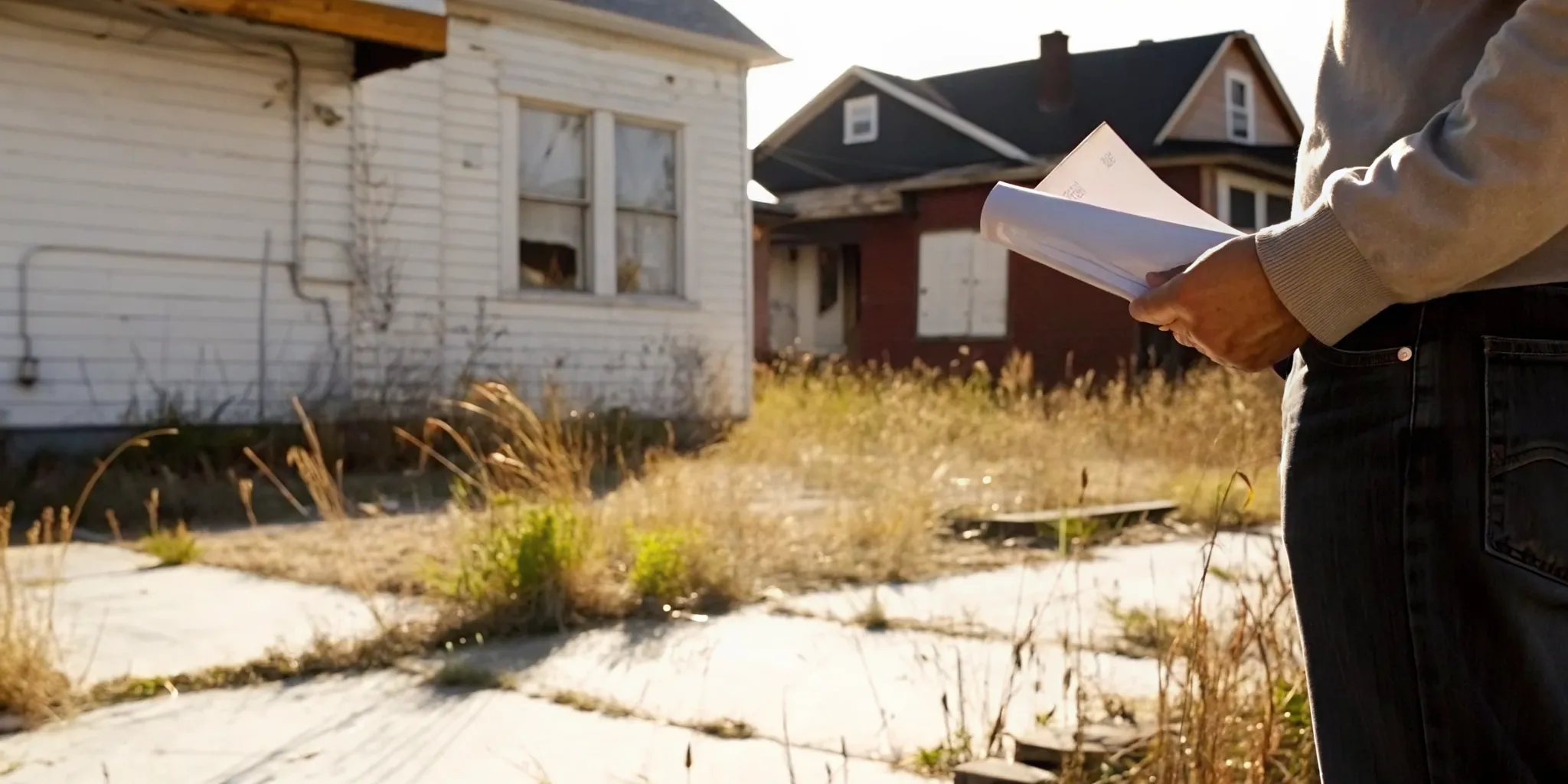
A citation for an overgrown lot, discarded materials, or an unsecured structure is more than a cleanup reminder. It starts a local code enforcement process with deadlines that can lead to hearings, daily fines, and a lien if the condition remains unresolved.
A property maintenance violation florida issue is an alleged failure to keep a property safe, sanitary, accessible, and compliant with local maintenance rules. The exact definition varies by city or county. Common concerns include trash and debris, abandoned vehicles, unsafe structures, pool barriers, and obstructions that affect visibility or public access. Some jurisdictions treat vegetation or private disputes separately, so the citation itself matters.
Before removing materials or making repairs, review the notice carefully. The cited condition, compliance date, and municipality’s required proof determine the fastest path forward. Start by identifying the condition that triggered enforcement and the maintenance issues most likely to create additional violations.
Common Property Maintenance Violations in Florida
A property maintenance violation florida case usually begins with a visible condition that affects health, safety, neighborhood appearance, or access. Hillsborough County’s code categories provide a useful example of the issues local enforcement departments commonly address, including junk and debris, overgrown lots, abandoned property, dangerous structures, fence maintenance, unsafe pools, and unpermitted construction.
Overgrown lots and vegetation
Uncontrolled grass, weeds, brush, and vegetation can block sidewalks, reduce visibility near driveways or intersections, and create conditions that neighbors report. Florida jurisdictions do not all classify vegetation the same way. Some code offices handle vegetative overgrowth separately from trash or debris, so the specific local ordinance matters. Property owners should also check the swale or right-of-way between the property line and street. Key Biscayne, for example, states that owners are responsible for maintaining the adjacent swale, including keeping it clear for drainage, visibility, and pedestrian safety.
Junk, debris, and outdoor storage
Discarded furniture, appliances, construction materials, illegal dumping, derelict vehicles, and accumulated household waste are common sources of complaints. These conditions are easy to see from a public roadway and can affect neighboring properties, drainage, and basic sanitation. A cleanup may require more than removing loose trash if the notice also addresses an accessory structure, vehicle, fence, or drainage obstruction.
Unsecured or dangerous structures
Broken windows, missing doors, damaged roofs, and other openings can make a structure unsafe or vulnerable to trespass. Deteriorated buildings may receive faster enforcement attention when they present an immediate hazard. Dangerous-structure notices can involve repairs, inspections, permits, or documentation that a simple cleanup will not resolve.
Abandoned property, fences, and pools
Vacant or abandoned properties often combine several violations: overgrowth, debris, unsecured openings, damaged fencing, and neglected pools. A broken or leaning fence can create access and safety concerns, while an unsafe pool may lack a compliant barrier or remain unsecured. These recurring conditions generate complaints because they are visible, affect surrounding residents, and can pose direct risks to children, pedestrians, and emergency responders.
The notice controls the next step. Review each listed condition, identify the responsible code requirements, and document the correction rather than assuming one repair closes the case. For the broader compliance process, deadlines and hearing procedures can determine whether a manageable maintenance issue becomes a larger enforcement problem.
How the Code Enforcement Process Works for Property Maintenance Violations
A property maintenance violation in Florida usually moves through a defined enforcement sequence. The exact forms, deadlines, and hearing procedures vary by municipality, but the path generally follows these steps:
- A complaint is filed. Code enforcement may begin after a neighbor, tenant, property manager, or other member of the public reports a suspected condition. The complaint may involve accumulated junk or debris, an unsafe structure, an obstructed right-of-way, an unsafe pool barrier, or another condition covered by the local code. Not every neighborhood dispute is a code matter. Some property-line, private drainage, and landlord-tenant disputes are treated as civil matters instead.
- A code inspector investigates. An inspector reviews the complaint and visits the property when the local agency has authority to investigate. The inspector documents the condition, identifies the provision believed to be violated, and determines whether the owner can correct it without a formal hearing. The inspection record becomes important if the case proceeds.
- The owner receives a notice of violation. The notice should identify the condition, the code section involved, and what must be done to achieve compliance. Property owners commonly have about 15 to 30 days to respond or correct the problem, although the deadline depends on the municipality and the severity of the condition. Read the notice carefully. A warning period may apply before fines begin, giving the owner an opportunity to correct the issue.
- The matter goes to a hearing when it remains unresolved. If the violation is not corrected, the case may be scheduled before a local code enforcement board. In some jurisdictions, a Special Magistrate hears code enforcement cases instead. The Special Magistrate is an alternative to a board hearing, not an informal replacement for the enforcement process. The owner can appear, explain the circumstances, provide evidence of correction, and present a realistic remediation plan.
- Fines may be imposed. Under Florida Statute 162, an enforcement board or Special Magistrate may impose a fine when a violation is found and remains unresolved. Fines can accrue daily after the applicable compliance period, so a condition that appears minor can become financially serious when left open.
- An unpaid balance can become a property lien. If fines and enforcement costs remain unpaid, the municipality may record a lien against the property. That lien can complicate refinancing, sale, or title clearance. Understanding these code enforcement consequences early gives the owner more opportunity to correct the violation before the case escalates.
The notice, inspection record, deadline, and hearing date should be treated as one connected timeline. Missing one step can reduce the options available at the next stage.
Fines, Liens, and the True Cost of a Property Maintenance Violation
A citation is not merely a notice to clean up a property. If a property maintenance violation florida remains unresolved, the financial exposure can grow every day until the local authority confirms compliance.
Under Florida Statute 162.09, a first violation can carry a fine of up to $250 per day. A repeat violation can reach $500 per day, while an irreparable or irreversible violation can result in a fine of up to $5,000. These are statutory limits, and the actual amount depends on the violation, the local ordinance, and the enforcement decision.
Daily fines can turn a minor issue into a major balance
Fines generally continue to accrue until the property is brought into compliance, not simply until the owner begins making repairs. A delay while an owner searches for a contractor, disputes responsibility, or overlooks a notice can add weeks or months to the balance.
Florida counties with populations of 50,000 or more may adopt ordinances allowing higher penalties. In those jurisdictions, a first violation may be fined up to $1,000 per day. A repeat violation may reach $5,000 per day, and an irreparable violation may reach $15,000. That difference makes the property location and the specific local code important when assessing the risk.
Unpaid fines can attach to the property
When fines remain unpaid, they can become a lien against the property. A lien can complicate a sale, refinance, or transfer, and it may be enforceable through foreclosure. The owner may also face costs when a municipality performs required maintenance or repairs and then charges the expense back to the property owner.
Do not wait for the balance to become the most urgent part of the problem. Reviewing the notice, confirming the compliance requirements, and creating a documented remediation plan early can limit escalation. Our guide explains how small compliance issues can become larger problems, while this overview covers what can happen when owners ignore code enforcement.
How to Resolve a Property Maintenance Violation in Florida
Start by reading the notice line by line. Confirm the cited address, the specific condition, the code section, the compliance deadline, and the department or official responsible for follow-up. A property maintenance violation in Florida may involve debris, unsafe conditions, a blocked swale, an unsecured structure, or another issue defined by the local jurisdiction. Do not assume that correcting the visible problem automatically closes the case. The municipality may require photographs, contractor records, permits, inspection requests, or written confirmation.
1. Build a documented remediation plan
Identify every correction required, not only the item that appears most obvious. Separate work that can be completed immediately, such as removing debris, from work that requires a licensed contractor, architect, engineer, or inspection. Create a practical schedule tied to the deadline in the notice. If the work cannot be completed on time, request an extension before the deadline and explain what has been completed, what remains, and why additional time is necessary.
2. Coordinate the right licensed professionals
Some violations are resolved through maintenance. Others involve structural, life-safety, drainage, or construction issues that require professional evaluation. Coordinate contractors, architects, and engineers so their scopes do not conflict and their documentation supports the same compliance plan. Keep contracts, invoices, photographs, reports, approvals, and inspection results together. A clear record helps demonstrate good-faith progress and gives the municipality evidence it can use to close the matter.
3. Submit documentation and prepare for the next step
Send the required materials through the municipality’s stated process, then confirm receipt and ask what remains outstanding. If the matter proceeds to a hearing or special magistrate, attend prepared with the notice, remediation timeline, supporting documents, and a concise explanation of the work. Missing a hearing or submitting incomplete records can delay clearance and increase exposure to enforcement costs.
Violation Clinic handles this process from notice review through municipal follow-up. Founder Jeri Goodkin Dausey is a 39-year licensed Florida contractor and former Senior Building Inspector for the City of Miami Beach. The team also includes former building officials who understand how local systems evaluate compliance. That insider perspective can help identify the fastest defensible path, coordinate the right professionals, and address urgent matters with same-day intervention when available. For a practical overview, see how to resolve building code violations. A free initial consultation is available for property owners who need help deciding what to do next.
Keeping Your Property Compliant Year-Round
Preventive maintenance is one of the most effective ways to avoid a property maintenance violation in Florida. A simple schedule can help you identify conditions that attract complaints or inspections before they become formal enforcement matters.
Inspect the property on a regular schedule
Walk the property at least monthly, and inspect it after severe weather or a change in tenants. Look for overgrown vegetation, accumulated trash, damaged fencing, broken windows, deteriorating roofs, unsecured doors, unsafe pools, and drainage or visibility problems. Pay particular attention to the swale and right-of-way next to the property. Some Florida municipalities place maintenance responsibilities on the owner for these areas, including keeping obstructions clear for drainage and pedestrian or driver visibility. Local swale guidance is a useful example, but requirements vary by municipality.
Respond to complaints before they escalate
Tenant reports about leaks, broken doors, exposed wiring, mold, pests, or other maintenance concerns should enter a documented work-order process. Record the complaint, assign a responsible person, schedule the repair, and keep photographs or invoices showing what was done. Prompt action protects occupants and creates a clear record if a code officer later asks how the condition was addressed.
Check permit requirements before modifying the property
Do not assume a repair is exempt because it appears minor. Adding a deck, changing roofing, altering structural elements, or making other modifications may require permits, inspections, or approved plans. Verify the applicable requirements before work begins and retain permit records through completion. Unpermitted construction is among the issues that Florida code enforcement offices may investigate.
Maintain vegetation and clear debris
Keep grass, shrubs, trees, junk, and construction debris under control. Clear swales, rights-of-way, access paths, and visibility triangles so they do not create drainage or safety concerns. The exact treatment of vegetation differs by jurisdiction, so confirm the local rule rather than relying on a general assumption.
After the Surfside building collapse, Florida property owners also face closer attention to structural condition and recertification obligations in applicable buildings. Staying ahead of inspections and maintenance is usually less expensive than waiting for a citation, accumulating fines, or arranging emergency work. Review these property compliance myths and address small compliance issues before they become enforcement problems.
Frequently Asked Questions
What are common examples of property maintenance code violations in Florida?
Common issues include accumulated junk or debris, illegal dumping, derelict vehicles, unsafe pool barriers, unpermitted structures, blocked visibility areas, and hazardous building conditions. Overgrown grass, limbs, or lots may be handled as code violations in some jurisdictions, but other municipalities classify vegetative overgrowth separately. Check the wording and issuing authority on your notice.
Can I get fined for overgrown grass or landscaping in Florida?
Yes, potentially, but the answer depends on the local ordinance and the condition cited. Some Florida code enforcement offices address overgrown lots, while others exclude vegetative overgrowth from their code enforcement investigations. If the notice cites a swale, right-of-way, drainage obstruction, or visibility hazard, correct the specific condition and document the work rather than assuming routine lawn maintenance will resolve it.
How long do I have to correct a property maintenance code violation?
The deadline is set by the municipality and the notice. A compliance period of 15 to 30 days is common, but urgent safety conditions may require faster action, and some jurisdictions provide a warning period before active enforcement. Read the notice for the exact date, required correction, and hearing information. Request clarification promptly if the deadline is unclear.
How much can Florida code enforcement fine a property owner per day?
Under Florida Statute 162.09, a penalty may reach $250 per day for a first violation and $500 per day for a repeat violation. An irreparable or irreversible violation may carry a penalty of up to $5,000. Some larger counties may authorize higher local limits. Fines can continue accruing until compliance is achieved, so the applicable local ordinance matters. Florida Statute 162.09
What rights do I have after receiving a violation notice?
You can review the alleged violation, meet the stated deadline, communicate with the enforcement office, and appear at a code enforcement board or Special Magistrate hearing. You may present evidence, explain completed work, and propose a realistic remediation plan. Keep dated photographs, contractor records, receipts, permits where applicable, and all correspondence so the record shows what was corrected and when.
Ready to Resolve Your Property Maintenance Violation?
A clear remediation plan can help address the notice, organize required documentation, and move the matter toward compliance. Schedule a free consultation with Violation Clinic to review your property maintenance code violation and identify the appropriate next step. Contact Violation Clinic to speak with the team.