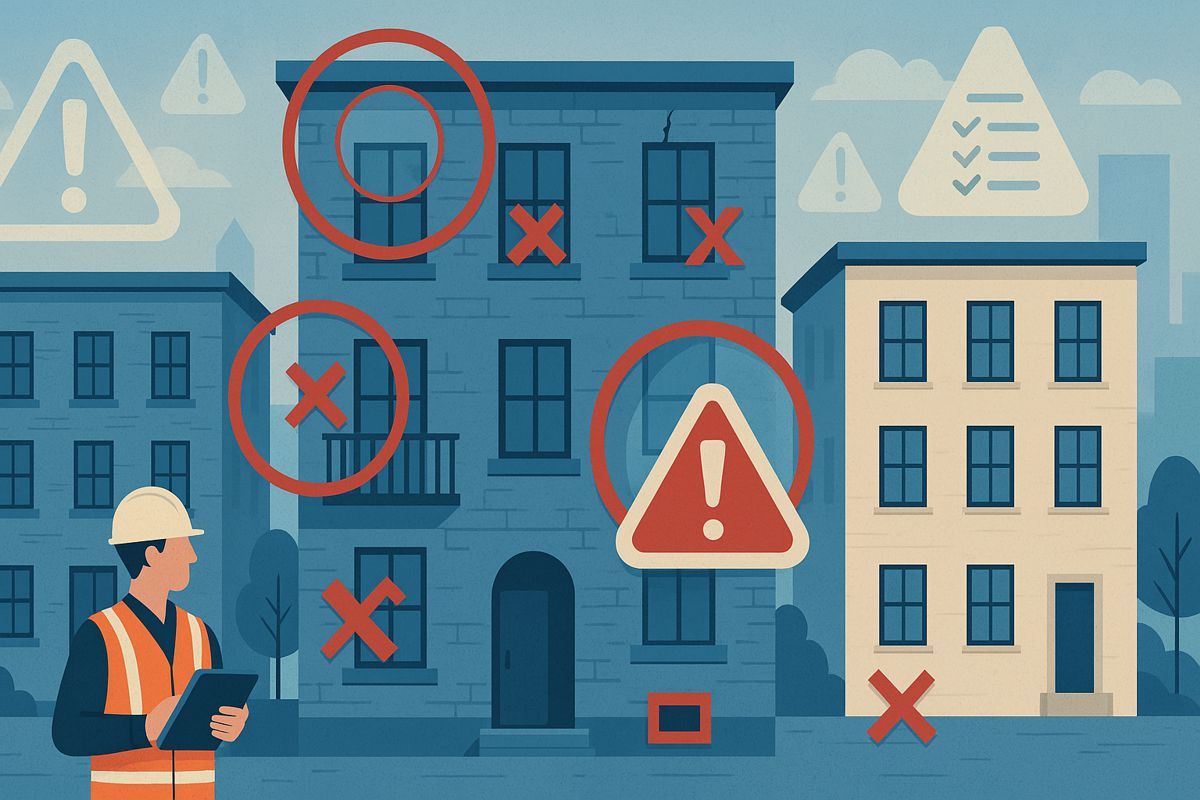
For property owners in Florida, a notice of a code violation is more than just a headache—it is a legal clock ticking against your property’s equity. If left unaddressed, these violations can escalate into daily fines that eventually culminate in a property lien. A lien can prevent you from selling, refinancing, or even transferring your property to heirs.
At Violation Clinic, we specialize in navigating the complex intersection of municipal law and construction standards. This guide provides a comprehensive roadmap for understanding why these violations occur and, most importantly, the professional steps required to remove a lien from code violations.
Why Do Property Owners Receive Code Violations?
Understanding the “why” is the first step toward resolution. Local municipalities and counties in Florida employ code enforcement officers to ensure that all structures meet the Florida Building Code and local zoning ordinances. Common triggers for violations include:
- Unpermitted Construction: Adding a deck, converting a garage into a living space, or replacing windows without the proper municipal permits.
- Zoning Violations: Using a residential property for industrial purposes or violating “setback” requirements (how close a structure can be to the property line).
- Neglected Property Maintenance: Overgrown grass, stagnant pool water (a health hazard for mosquitoes), or peeling exterior paint.
- Unsafe Conditions: Structural instability, exposed electrical wiring, or fire hazards.
- Missed Inspections: Failing to schedule mandatory progress inspections during a construction project.
The Financial Stakes: Mandatory Recertifications
In Florida, compliance isn’t just about aesthetics; it is often a legal mandate. For example, certain counties require Milestone Inspections or Building Recertifications for older structures.
Failing to comply with these requirements can be financially devastating. Fines often start at $510 for the initial violation and can escalate to $10,000 or more for continued non-compliance. If you are approaching a milestone anniversary for your property, it is critical to consult Violation Clinic’s Building Recertification and Services to avoid these aggressive penalties.
Actionable Steps to Remove a Code Violation Lien
If a lien has already been placed on your property, you cannot simply pay a small fee to make it disappear. You must follow a specific legal and administrative process.
Step 1: Identify the Root Cause
You must obtain a copy of the “Notice of Violation” or the “Findings of Fact” from the Special Magistrate. This document outlines exactly which section of the city or county code was violated. Common issues often involve Understanding Zoning Violations: What Property Owners Need to Know or work performed by previous owners without permits.
Step 2: Correct the Violation (Cure the Default)
You cannot request a lien reduction or removal until the property is in full compliance.
- For unpermitted work: You may need to hire an engineer to perform “as-built” drawings and apply for an after-the-fact permit.
- For maintenance issues: Take “before and after” photos once repairs are completed to prove compliance.
Step 3: Schedule a Compliance Inspection
Once the physical or legal issue is fixed, you must call the Code Enforcement Department to schedule a re-inspection. If the officer confirms the violation is resolved, they will issue a “Notice of Compliance.” However, while the violation is gone, the accrued fines (the lien) remain.
Step 4: Petition for a Fine Reduction (Lien Mitigation)
Most Florida municipalities allow for a “Lien Mitigation” or “Fine Reduction” hearing. You must submit a formal application to the Code Enforcement Board or Special Magistrate. Pro-Tip: Authorities are more likely to reduce a $20,000 lien to a manageable administrative fee (often 10–15% of the total) if you can demonstrate that you acted in good faith to resolve the issue as soon as you became aware of it.
Best Practices to Prevent Fines and Liens
The most cost-effective way to handle a lien is to never receive one. Proactive management is key to maintaining property value.
1. Obtain Necessary Permits
Never assume a project is “too small” for a permit. Even minor electrical or plumbing updates often require municipal oversight. Always check the Florida Department of Business and Professional Regulation to ensure your contractors are licensed. Working with unlicensed contractors is a fast track to receiving a How to Work with Contractors to Correct Code Issues violation.
2. Schedule Regular Inspections
Don’t wait for a city official to knock on your door. Conduct annual “self-inspections” of your property. Look for:
- Cracks in the foundation or masonry.
- Roofing tiles that are loose or missing.
- Proper functioning of smoke detectors and fire suppression systems.
3. Maintain Property Aesthetics
Code enforcement often begins with a complaint from a neighbor. Maintaining your landscaping, removing junk vehicles, and ensuring your home’s exterior is clean can prevent “nuisance” violations that often lead to deeper scrutiny of your property’s structural permits.
4. Stay Informed on Local Regulations
Florida laws regarding building safety are constantly evolving, particularly following the Surfside condo collapse. Requirements for structural and system safety are stricter than ever. Staying informed via local government portals or the International Code Council (ICC) is vital for any commercial or residential owner.
Case Study: The “Unpermitted Patio” Resolution
The Scenario: A homeowner in Miami-Dade County purchased a home with an existing covered patio. Years later, a code enforcement officer noticed the structure lacked a permit. The owner was fined $250 per day, eventually reaching a $15,000 lien.
The Resolution: 1. The owner contacted Violation Clinic to assess the structural integrity of the patio. 2. An “After-the-Fact” permit was filed with the building department. 3. Minor structural reinforcements were made to meet current Florida Building Code wind-load requirements. 4. After receiving a Certificate of Completion, Violation Clinic assisted the owner in a mitigation hearing. 5. The Result: The $15,000 lien was reduced to a $1,200 administrative fee, and the lien was released.
This case highlights why proactive compliance and professional guidance are essential.
Related Posts
- What is Building Recertification?
- How to Fix Open or Expired Building Permits
- Top 5 Building Violations That Can Halt Your Construction Project
Summary and Conclusion
Removing a lien from code violations is a multi-step process that requires physical repairs, administrative filings, and often a legal hearing. From unpermitted construction to missing a mandatory building recertification, the path to a lien is paved with missed deadlines and overlooked maintenance.
At ViolationClinic.com, we specialize in helping property owners navigate the recertification process smoothly. Whether you need assistance with inspections, violations, or compliance issues, our team is here to help. Don’t wait until it’s too late, take action today to protect your investment and ensure the safety of your building.
For more information or assistance, contact us at ViolationClinic.com!