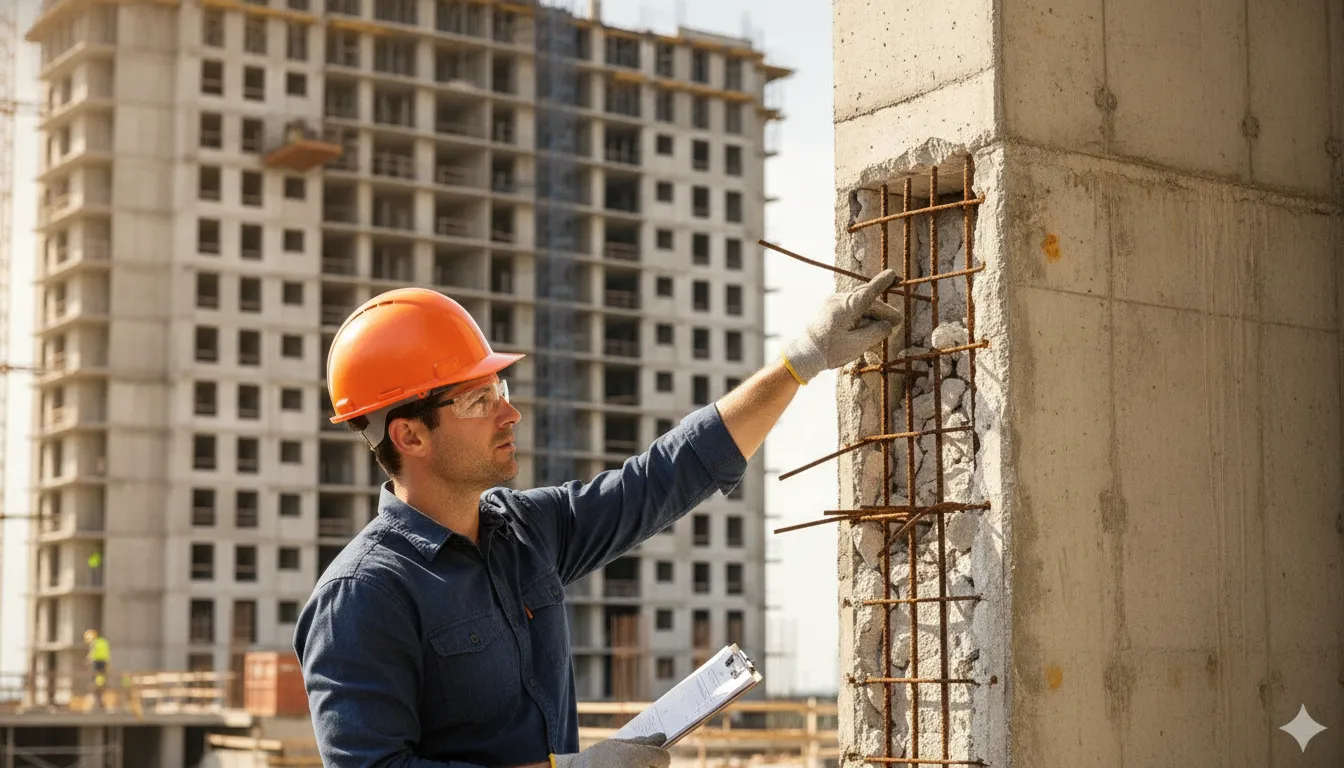
Ignoring a minor hairline crack in a concrete support column can cost a Florida property owner thousands of dollars. Local building officials will issue red tags and stop work orders the moment they find unfixed structural damage.
A structural building inspection is a professional safety check of a property’s foundation, framing, steel, and concrete to ensure it is safe. Under Florida law, these safety reviews are required for many older multi-story buildings, such as condos, to find hidden damage before it causes a collapse. Licensed engineers look for problems like deep cracks in the walls, shifting foundations, or rusted steel bars inside the concrete. If the inspector finds structural defects, the property owner must make repairs quickly to keep the building open and avoid code violations. Using official resources from the Florida Building Commission helps owners understand their duties and fix issues before they lead to costly fines.
Many property owners do not know what these inspections look for or how they affect their legal standing. If you want to protect your property value and follow the law, you must know what the process entails. To understand how these safety checks keep your building safe, it helps to start with the basics of What Is a Structural Building Inspection?
Contact our compliance team to prepare for your structural building inspection.
What Is a Structural Building Inspection?
A structural building inspection is an expert check of a building. A licensed engineer or trained inspector runs this review. They do this to check the strength of the structure and to make sure it meets all local code rules.
Core purpose and scope
The main goal of a structural building inspection is safety. This check is not a quick stroll. The engineer must study how the building holds weight. They follow the load paths to make sure the weight goes safely to the ground. This check helps find small flaws before they turn into huge structural failures. In Florida, these reviews must follow strict rules. The state sets these rules under Chapter 18 of the Florida Building Code to keep buildings safe.
Focus areas of the structural review
What does an engineer check during this process? They look at the core parts of the structure that keep it standing. They will inspect three key areas:
- The foundation, which must support the whole building without sinking.
- The framing, which includes columns and beams that form the frame of the property.
- The load paths, which transfer weight from the roof down to the dirt.
If any of these parts show decay or cracks, the engineer will note them. In South Florida, damp air and salt can rust the steel inside concrete. This rust causes the concrete to crack and flake. An expert check will find this issue early.
Differences from a home inspection
Many property owners confuse a structural building inspection with a general home inspection. These two reviews serve different needs. A home inspector checks many small things. They look at the roof, the pipes, the wires, and the air system. Their main goal is to make sure the house is in good working order. But they do not measure load weights.
In contrast, a structural engineer focuses only on the building’s safety and load strength. They do not care if a sink leaks or if an air unit is old. They want to know if the walls can withstand a major storm. They look for signs of foundation shift or sinking dirt. They use tools to test the strength of the steel and concrete.
When is this check needed
You might need a structural check for several reasons. In Florida, you must get one when buying or selling a large building. Lenders and buyers often ask for this check to protect their funds. You also need one if you plan to make big changes. If you change how the building holds weight, the city will want proof that the new design is safe. This is why a required structural building inspection is so key to pass permit rules. Lastly, you should call an expert if you notice warning signs like shifting walls or saggy floors. Finding these issues early can save you from huge repair costs and local fines.
Why Florida Requires Structural Inspections
Florida has some of the strictest building codes in the nation. This deep focus on structural safety is not random. The state passed new laws after the tragic 2021 Champlain Towers South collapse in Surfside, Florida. To prevent such sudden losses from happening again, the state passed the Florida Condo Safety Act in May 2022. This key law makes sure that older high-rise buildings across the state undergo a needed structural building inspection to find hidden defects. By catching concrete and steel issues early, building owners can keep their properties safe and compliant.
The Condo Milestone Law
Under this strict state law, certain buildings must face legal safety checks on a set schedule. Condos and cooperative buildings that rise three or more stories must undergo their first milestone structural check when they turn 30 years old. These vital safety checks are due by December 31 of the year the building reaches its age limit. Once a building passes its first milestone inspection, the owners must plan a new check every 10 years. These rules ensure that older towers do not suffer from hidden wear.
But the statewide rules are just the starting point. Local cities and counties can set tighter timelines if local conditions warrant faster action. If local rules demand it, a town can require the first milestone inspection when a building reaches 25 years of age. Coastal areas often use this option because humid salt air can rot steel and concrete much faster. When a city or county issues a notice, the condo board must act quickly. The board must tell all unit owners about the required inspection within 14 days of getting the notice.
Avoiding Penalties and Stop Work Orders
Skipping these milestone laws or putting off your checks can lead to big trouble. If a building owner misses these legal deadlines, local building clerks can issue code violations and demand steep fines. For major safety issues, cities will issue a stop work order or red-tag the entire building. A red tag stops all access, which can lead to vacate orders and empty units. You will then have to go through a complex stop work order removal process to clear the case.
Building owners must act early to keep their structures safe and open. Working with licensed experts helps you go through the complex building recertification process in Florida. A trained team can help you find structural defects before they grow. By finding concrete rot or rust early, you can fix the issues on your own terms. This keeps your building safe, compliant, and free from active city violations.
What Inspectors Evaluate During the Process
A professional structural building inspection is not a quick visual check. It is a deep review of how a building stands and holds weight. In South Florida, the Miami-Dade County building code mandates regular safety checks for older buildings. These vital reviews must be performed by a Florida-licensed architect or engineer to ensure they meet state laws and protect the people inside.
Initial visual walkthrough
An expert begins with a site walkthrough to check the overall structural condition of the building. The inspector looks for cracks, sagging floors, or leaning columns. This Phase 1 visual review of major parts shows the general health of the building. If they find big defects, they will ask for a deeper Phase 2 check to recommend repairs.
The visual review covers both the inside and outside of the entire property. Engineers look closely at walls, columns, and roofs for any visible lean or sag. They check joints where different parts meet and search for water stains that show hidden leaks. This vital step finds weak areas before any deep tests begin.
Foundation and load paths
The foundation is the most critical part of any building safety review. Inspectors check for cracks, settling, or bowing in foundation walls that could point to soil shifts. They also trace load paths to see how weight travels from roof to ground. A weak path can cause walls to shift or put too much stress on other support systems.
Severe issues with the foundation can put the whole building at risk. A small shift in the ground can crack concrete walls and shift weight to the wrong places. Inspectors check the soil around the site for poor drainage that could hurt the concrete base over time. Correcting these foundation issues early keeps the building safe and complies with local codes.
Framing and support structures
Inspectors must check the framing and support structures that keep the building upright and safe. They check wood, steel, or concrete beams to find rot, rust, or decay that could weaken the framing. In South Florida, damp air and salt can damage steel bars inside the concrete. The expert reviews these parts to ensure the building is safe and sound.
The framing of a building acts as its physical skeleton. If wood beams rot or steel supports rust, the walls can buckle under normal pressure. Inspectors pay close attention to load-bearing walls that carry weight from the upper floors. Addressing these framing issues now stops minor wear from turning into a safety hazard or code violation.
Common Inspection Findings and Their Consequences
Major Structural Defects
A structural building inspection often shows key signs of building distress. Experts search for horizontal, vertical, or step cracks that are 1/4 inch or larger in walls. They also check for bowing foundation walls and clear building movement.
These issues mean that the main load paths of the building are weak. If you leave these defects alone, they will get worse and risk the safety of your property. Shifting soils and water leaks often cause these structural problems to grow over time.
Fixing these concerns early protects both the people and your property. Slow repairs can lead to sudden structural failures. Over time, minor cracks can expand into major gaps that cost thousands of dollars to fix. Frequent checks help you find these problems before they grow bad.
Immediate Municipal Penalties
When city teams find structural defects, they take quick action to enforce local building codes. As shown by public safety groups like the Department of Buildings, inspections are vital to keep buildings safe. Ignoring local rules can lead to formal code violations. These violations often come with rising fines from $510 to more than $10,000, lost insurance, or lost value.
Acting early is the best way to avoid these problems and keep your property open. Getting a licensed structural check prevents the city from issuing a stop work order or a red tag. If you already have a violation, expert code violation remediation can clear your record. Compliance teams can also help with stop work order removal to get your project back on track.
Comparing Risk Levels
Not all building issues carry the same level of risk or need the same response. Minor issues need basic upkeep, while severe issues demand fast help from licensed experts. The table below compares these two levels of findings and shows their usual results.
| Inspection Finding | Minor to Moderate Findings | Severe Findings |
|---|---|---|
| Crack size | Hairline cracks under 1/4 inch. | Cracks 1/4 inch or larger. |
| Wall condition | Surface wear or hairline cracks. | Bowing or shifting walls. |
| Municipal risk | Routine monitoring requested. | Immediate code violations. |
| Financial cost | Low cost maintenance. | Fines up to $10,000 or more. |
| Property access | Normal daily access allowed. | Red tags and vacate orders. |
Fixing these severe defects quickly ensures that properties remain compliant and safe. Early planning helps owners address structural issues before local code teams take notice. This early action saves money and avoids public enforcement actions.
Milestone Inspection Phases, Deadlines, and Preparation
Florida building laws help keep older properties safe. Under state law, local offices must send a written certified mail notice to the condo group. The condo board has just fourteen days to tell all home owners.
This official letter starts the timeline for a structural building inspection. Completing this review on time is a vital part of building recertification in South Florida. Failing to act leads to quick fines.
Official milestone safety steps
- Receive the official notice. The local town sends a written notice by certified mail to your condo board. This letter sets the clock for your safety timeline.
- Notify unit owners. Your board must notify all unit owners in writing within fourteen days of getting the mail. Sharing this news is a strict legal requirement.
- Prepare the property. To prepare, you must gather past building plans, grant full access to key areas, and fix obvious safety hazards. This saves time during the walkthrough.
- Schedule the Phase 1 visual review. A Florida-licensed architect or engineer must perform this qualitative assessment. This visual check of major components must be done by December thirty-first of the year the building turns thirty, and every ten years after.
- Undergo a Phase 2 check if needed. If the inspector finds substantial structural deterioration during Phase 1, you must undergo a Phase 2 check. This in-depth distress assessment confirms if the building is sound or lists needed repairs.
State safety laws and exemptions
The state of Florida passed these safety rules in May 2022. This law was a direct response to the tragic Champlain Towers South building collapse in Surfside. The goal is to catch structural wear early before it threatens lives or leads to a vacate order. Booking your structural review on time protects both your residents and your property value.
Not all buildings must go through this strict process. The law exempts single-family, two-family, and four-family homes with three or fewer habitable stories. But condo and co-op groups bear full duty for setting up these checks. In some South Florida counties, cities can lower the age trigger to twenty-five years if local conditions warrant.
Preparation and violation remediation
Property managers must gather several key papers before the engineer arrives. Make sure to find your original design plans, past inspection reports, and permit history. The team will also need clear access to crawl spaces, roofs, and utility rooms. Planning these details ahead of time ensures the inspector can work without delay.
If a Phase 1 or Phase 2 review finds safety issues, you must act fast. This is where after-the-fact compliance support becomes your lifeline. Our team handles the full process of fixing building violations, from hiring licensed experts to managing repairs and closing your files. We help you clear red tags and avoid massive daily fines.
Schedule help resolving your structural inspection findings before penalties grow.
Frequently Asked Questions
When is a structural building inspection required in Florida?
For many buildings, state law makes these checks a must. According to a Florida Building Commission factsheet, condos and co-ops with three or more stories must get inspections at 30 years of age. Local cities can lower this to 25 years if needed.
What is the difference between a Phase 1 and Phase 2 inspection?
A Phase 1 inspection is a visual check of major building parts to find damage. If the inspector finds major damage, state rules require a Phase 2 check. This second phase uses deep testing to find out if the building is safe or needs repairs.
What happens if a building fails a structural inspection?
Failing an inspection can lead to building code violations and costly city fines. Local officials can issue stop work orders or red tags. They can also force people to vacate the building if it is not safe. Owners must act fast to fix these issues with licensed help.
Who is exempt from structural building inspections in Florida?
Not every property needs these checks. According to the state building code, milestone inspections are not required for standard single-family homes. The law also exempts duplexes, triplexes, and other small residential buildings that have three or fewer habitable stories. Commercial properties and large condos must still comply.
Ready to resolve your structural building inspection findings?
Failing to fix structural building inspection findings can put your South Florida property at risk of major damage. If you ignore the findings, city officials can issue violations and charge you thousands of dollars in fines. These fines can increase every day, and the local building department may even order you to vacate the premises. Acting now to resolve these issues helps you avoid costly delays, red tags, and active stop work orders.
Are you ready to protect your commercial building and clear your active violations quickly? Our experienced team will work with licensed engineers to guide you through the full compliance process from start to finish. You can contact our compliance experts today to get help resolving structural inspection findings and code violations before they escalate.