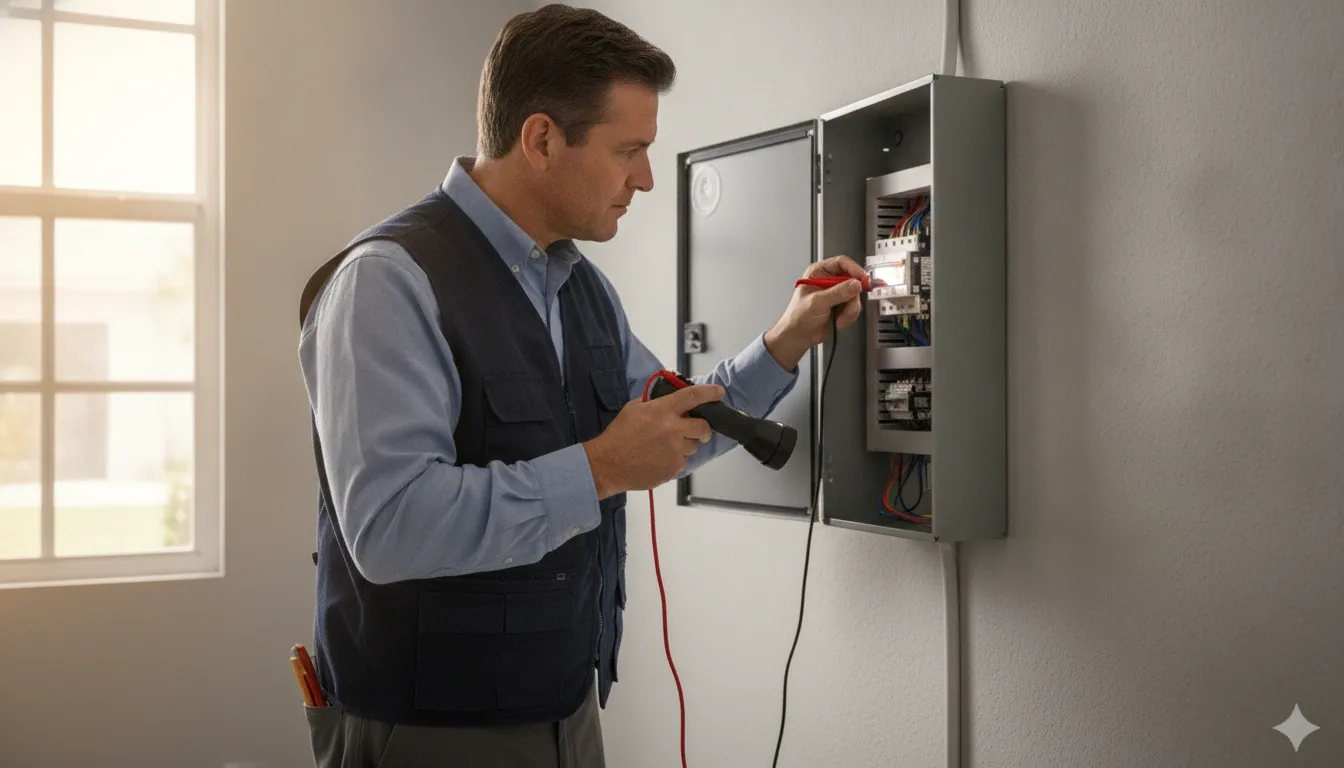
An electrical issue can look minor until it triggers a failed inspection or delays a property transaction. In Florida, inspectors commonly flag work that was modified without proper approval. They also flag wiring that is incorrectly sized, unsafe outlet conditions, and missing protective devices. The National Fire Protection Association reports that electrical failure or malfunction contributed to an estimated annual average of 46,652 home structure fires from 2020 through 2024.
Common electrical code violations include missing grounding, improper wiring connections, overloaded electrical boxes, missing GFCI or AFCI protection, inadequate panel access, and using extension cords as permanent wiring. Correction usually requires a qualified electrical professional to identify the defect, complete permitted repairs, and coordinate any required inspection.
Understanding why inspectors focus on these conditions makes it easier to prioritize repairs and respond before a technical defect becomes an enforcement problem. Start with the safety and compliance consequences behind the inspection process.
Why Electrical Code Violations Matter in Florida
Electrical issues are not minor paperwork problems. A missing ground, overloaded circuit, or unsafe modification can create a direct risk to people and property. The same defect also gives an inspector a legitimate reason to require corrective work. The National Fire Protection Association reports that local fire departments responded to an estimated annual average of 46,652 home structure fires involving an electrical failure or malfunction from 2020 through 2024. Those fires caused an estimated 527 civilian deaths, 1,580 civilian injuries, and $2.4 billion in direct property damage each year. NFPA electrical safety data describes the scale of the hazard. It explains why electrical conditions receive serious attention during an inspection.
Improper wiring is reported to account for nearly 20% of residential electrical fires, making concealed wiring defects especially important during an inspection or renovation review. Improper wiring and code violations can include work that was installed incorrectly, altered without the required permit, or left incompatible with current safety requirements.
Safety risks can be seasonal and difficult to see
Electrical hazards do not always announce themselves with smoke or a dramatic failure. An undersized wire may overheat inside a wall. A loose connection may produce heat intermittently. A missing protective device may leave occupants exposed when a fault occurs. NFPA research estimates that 28% of home electrical structure fires occurred during the winter months of December. January, or February, yet those months accounted for nearly 40% of civilian deaths from these fires. The figures are national estimates, but they reinforce the need to address suspicious electrical conditions before they become an emergency.
Violations can become an expensive property problem
In Florida, an electrical code violation can affect more than safety. Depending on the property and municipality, unresolved violations may lead to accumulating fines reported in the range of $250 to $5,000 per day. A stop-work order, delayed closing or financing, and liability concerns if someone is injured or property is damaged. Electrical systems are also a core part of South Florida’s 40-year and 50-year building recertification processes. A deficiency discovered during recertification can therefore affect a building’s compliance status and its practical use.
The right response is not to conceal a defect or make an unverified patch. A qualified professional should identify the condition, determine whether permits or inspections are required, and document the correction for the relevant authority. That approach protects occupants while giving property owners a clearer path through enforcement and recertification requirements.
The Most Common Electrical Code Violations Inspectors Flag
Electrical problems are not always obvious from a wall outlet or breaker panel. During an inspection, the reviewer looks for installation details that can create shock, overheating, or fire risks. These are some of the most common electrical code violations found in Florida properties.
- Open or missing grounding. A receptacle may appear to work while lacking a properly connected grounding path. Open grounding and missing grounding wires can prevent safety systems from operating correctly during an electrical fault. Inspectors may identify this condition at outlets, fixtures, or other parts of the circuit. Learn more about grounding violations.
- Improperly sized wires. Conductors must be appropriate for the circuit’s load and protective device. When wire size does not match the circuit, the wiring can overheat under normal demand. This issue is especially important when a property has been remodeled, an appliance was added, or a circuit was altered without a complete evaluation.
- Over-filled electrical boxes. Packing too many wires, devices, or connections into a box leaves less room for heat dissipation and safe connections. Over-filled boxes are a frequent violation and can contribute to overheating. An inspector may also check whether the box can safely accommodate the conductors and devices installed inside it.
- Using the wrong box type. Electrical boxes are selected for their location and use. For example, an indoor box may not be suitable for an outdoor installation or a damp environment. The wrong box can leave wiring and connections without the protection required for that setting, even if the fixture appears secure.
- Improper wire connections. Loose terminals, incorrect splices, and connections made without the proper method are common problems, particularly after do-it-yourself work. A connection that is loose or poorly contained can produce resistance, heat, and unreliable operation. Inspectors may flag the connection itself, the enclosure, or both.
Why the applicable NEC edition matters
The National Electrical Code, or NEC, is revised every three years as technology and safety standards evolve. That does not mean every older installation automatically fails under the newest edition. However, the applicable requirements can depend on the property’s construction date, the scope of later work, local adoption, and the type of inspection being performed. A Florida homeowner should not assume that a repair based on a quick internet checklist will satisfy the local authority having jurisdiction.
If an inspection identifies one of these conditions, document the notice and have a qualified electrical professional determine the correct repair. The safest path is to address the underlying installation, not simply replace a cover or reset a breaker before the next inspection.
Why GFCI and AFCI Protection Are Non-Negotiable
Two safety devices frequently appear in inspection reports because they address different electrical hazards: ground-fault shock and arc-fault fire. They are not interchangeable, and installing the wrong device does not correct the underlying violation.
| Device | Hazard it protects against | Typical required locations |
|---|---|---|
| GFCI (ground-fault circuit interrupter) | Shock from current leaking to an unintended path, such as through a person | Kitchens, bathrooms, outdoor areas, and other spots where water is often present |
| AFCI (arc-fault circuit interrupter) | Fire from dangerous electrical arcing that ordinary overcurrent protection may miss | Designated bedroom and living-area circuits per the National Electrical Code |
GFCI protection belongs where water is present
A ground-fault circuit interrupter, or GFCI, monitors the electrical current moving through a circuit. If some current takes an unintended path, such as through a person, the device can interrupt power quickly and reduce the risk of serious shock. Electrical codes require GFCI protection in locations where water is commonly present, including kitchens, bathrooms, and outdoor areas. The same concern applies around water features, where electricity and moisture are in close proximity.
Inspectors may flag a missing GFCI receptacle, a device that does not trip and reset correctly, or protection that does not serve the required outlets. A button on the receptacle is not proof that the installation is correct. The device still needs to be properly wired, located, and connected to the intended portion of the circuit. A qualified electrician can test the protection, identify upstream devices, and replace or reconfigure equipment when necessary. Source: GFCI requirements in common electrical code violations.
AFCI protection helps contain arc-fault hazards
An arc-fault circuit interrupter, or AFCI, is designed to detect dangerous electrical arcing that ordinary overcurrent protection may not recognize. Arcing can occur when wiring is damaged, loose, pinched, or deteriorated. AFCI protection is required by the National Electrical Code in designated circuits, including many bedroom and living-area circuits. Missing AFCI protection is therefore one of the common electrical code violations an inspector may document, especially in older homes or after remodeling.
Correction usually starts with identifying the affected circuits and comparing the existing installation with the requirements applicable to the property and work performed. An electrician may install compatible AFCI breakers or receptacles, correct wiring defects, and test the completed circuits. Simply swapping a breaker without diagnosing why it trips can leave a dangerous condition unresolved. Because code requirements and permitted work can vary by project and jurisdiction, electrical corrections should be documented and handled by qualified professionals before reinspection.
How to Spot an Electrical Code Violation Early
Electrical problems often give you clues before an inspector finds them. A quick homeowner checklist can help you identify possible hazards, document what you observe. And arrange a qualified evaluation before a minor defect becomes a failed inspection or a larger repair.
Watch for changes in how circuits behave
- Breakers trip frequently. Repeated trips can signal an overloaded circuit, a fault, or another issue that needs professional diagnosis. Do not keep resetting the breaker without finding the cause.
- Lights flicker or dim. Flickering or dimming lights may indicate a connection or circuit problem, particularly when the change occurs as appliances turn on.
- Outlets feel warm or look discolored. Heat, brown marks, melting, or discoloration around a receptacle can point to overheating. Stop using the outlet and have it inspected.
These are recognized warning signs that warrant contacting a qualified electrician, according to the National Fire Protection Association. They do not identify the exact violation by themselves, but they are strong reasons not to cover, replace, or ignore the symptom without understanding the underlying condition.
Take unusual sensations, sounds, and smells seriously
- Appliances cause a tingling sensation. A shock-like tingle when touching an appliance can indicate improper grounding or leakage current. Treat it as a safety warning and disconnect the appliance only if you can do so safely.
- An outlet or device sparks. Sparks are a sign of a serious electrical malfunction. Keep people away from the area and arrange immediate attention from an electrician.
- You smell burning or rubber. A burning or rubbery odor near an outlet or appliance may indicate an overheating circuit. Turn off power if it is safe to do so, and do not use the affected equipment until it has been evaluated.
For Florida homeowners preparing for an inspection, record the location, timing, and frequency of each symptom. Do not open an electrical panel, remove outlet covers, or attempt a repair based on a visual checklist. A licensed professional can determine whether the issue involves grounding, wiring, connections, load, or another condition that may appear among common electrical code violations.
What Happens When an Electrical Violation Goes Uncorrected
An electrical violation is not just a note on an inspection report. Once a municipality identifies an unsafe installation, unpermitted modification, or failed electrical inspection, leaving it unresolved can create escalating financial, operational, and legal problems. The longer the issue remains open, the more difficult it may become to sell, refinance, occupy, or continue work at the property.
Fines can accumulate every day
Florida municipalities may impose daily fines for unresolved building and electrical violations. Depending on the jurisdiction and the nature of the case, those fines can range from $250 to $5,000 per day. The exact amount, start date, and enforcement process vary by municipality, so property owners should review the notice instead of assuming that a violation will remain dormant.
These costs can continue while an owner is gathering documents, identifying the responsible contractor, or trying to determine which permits and inspections are required. A prompt review of the notice can clarify the compliance path before the balance grows. For broader context, see these common Florida building code violations and how they affect property owners.
Stop-work orders can halt the property or project
If electrical work is active, unsafe, or connected to a larger unpermitted project, the building department may issue a stop-work order. That can pause construction, renovations, inspections, and related trades until the underlying issue is addressed. Continuing work after an order is posted can create additional enforcement exposure and make the case harder to resolve.
A stop-work order may also affect contractors, tenants, buyers, and lenders who depend on the project reaching a compliant status. The practical response is to document the existing conditions, confirm what the jurisdiction requires, and use qualified professionals for testing, correction, permitting, and inspection coordination.
Insurance and liability risks may increase
Uncorrected electrical work creates a continuing safety concern. NFPA estimates that electrical failure or malfunction contributed to an annual average of 46,652 home structure fires from 2020 through 2024. With those fires causing an estimated 527 civilian deaths, 1,580 injuries, and $2.4 billion in direct property damage each year. These figures do not determine the outcome of an individual claim, but they show why insurers, buyers, and property managers take electrical conditions seriously.
An unresolved violation can complicate a property transaction, raise questions after a fire or injury, and expose an owner to claims that a known hazard was not addressed. Do not assume that a repair alone closes the case. The correction may also need permits, approved plans, inspections, and written clearance from the local authority.
Recertification can expose unresolved electrical issues
In South Florida, electrical systems are a core part of required 40-year and 50-year building recertification processes. An open electrical issue can therefore become a larger compliance obstacle when a building reaches a recertification milestone. Early investigation gives owners more time to coordinate engineers, electricians, permits, and municipal requirements rather than discovering the problem at the deadline.
If you have received an electrical notice, start with the exact violation language and deadline. This guide to handling a building violation notice can help you organize the next steps before fines, project delays, or recertification pressure compound the problem.
How to Correct Common Electrical Code Violations
Once an inspector identifies an electrical issue, resist the temptation to make a quick repair based on a tutorial or a guess. Electrical work can involve concealed wiring, circuit loads, grounding, and panel connections that are not obvious from the outlet or fixture. NFPA guidance recommends having electrical work completed by a qualified electrician, especially when the correction involves work beyond a homeowner’s skill level. Learn how to avoid common electrical code violations before the next inspection.
Start with a professional diagnosis
Give the electrician the inspection report, violation notice, permit history, and any photos or comments provided by the building department. That information helps the electrician identify the exact location and scope of the problem instead of replacing a visible component without addressing the underlying defect.
A licensed professional can evaluate issues such as open grounding, incorrect wire sizing, overloaded boxes, improper connections, missing protection, or inaccessible panels. Do not remove panel covers, alter wiring, or attempt to bypass a breaker to make a problem disappear. If you notice sparks, a burning or rubbery odor, a warm outlet, or repeated breaker trips, stop using the affected circuit and seek qualified help promptly.
Correct the work under the applicable code
The repair should bring the installation into compliance with the version of the National Electrical Code (NEC) and local requirements that apply to the project. The NEC is revised every three years, so an older installation may need to be evaluated against requirements that changed since the original work was completed. Your electrician should identify the required repair, use appropriate materials, and coordinate any necessary permit or inspection steps with the local authority.
NFPA describes electrical safety as a cycle that includes the NEC, training, product safety, inspection, and maintenance. That means passing one inspection is not the entire goal. The finished correction should be safe, documented, and maintainable. Keep invoices, permits, correction details, and closeout paperwork together. These records can help answer questions during a future sale, remodel, recertification, or follow-up review.
Prepare for reinspection before requesting it
Ask the electrician to review every item on the notice, not only the violation that first drew attention. Confirm that required labels, covers, access clearances, grounding, protection devices, and related areas are complete. Then verify that the permit has been updated and that all required documents are ready before scheduling reinspection. A careful closeout reduces avoidable delays and gives the inspector a clear record of what was corrected.
Frequently Asked Questions
What are the most common electrical code violations?
Inspectors frequently flag missing or open grounding, improperly sized wires, loose or incorrect wire connections, overfilled electrical boxes, unsuitable electrical boxes, and missing GFCI or AFCI protection. Blocked access to the electrical panel and using extension cords as permanent wiring are also common concerns. The exact requirements can depend on the installation, property type, and code provisions adopted by the local jurisdiction.
What is a GFCI outlet?
A ground-fault circuit interrupter, or GFCI, is a protective device designed to reduce shock risk by interrupting power when it detects an imbalance in current. Electrical codes require GFCI protection in areas where water is commonly present, including kitchens, bathrooms, and outdoor locations. A GFCI does not correct every wiring problem, so repeated trips should be evaluated by a qualified electrician. Source: Tradesman CE.
How do you know if you have an electrical code violation?
A formal inspection is the reliable way to identify concealed or technical violations. Warning signs that warrant prompt professional attention include the following.
- Frequent breaker trips.
- Flickering or dimming lights.
- Warm or discolored outlets.
- Tingling when touching an appliance.
- Sparks coming from an outlet.
- A burning or rubbery smell.
Do not remove covers or attempt a repair if you are not qualified. Source: NFPA.
Are extension cords legal as permanent wiring?
Extension cords are intended for temporary use, not as a permanent substitute for installed wiring. They should not be used for major appliances such as refrigerators, washers, dryers, or stoves. A licensed electrician can determine whether the property needs a properly installed receptacle or a correction to the existing circuit. Source: NFPA.
Ready to Resolve an Electrical Code Violation?
Electrical issues identified during an inspection can require careful documentation, qualified corrections, and follow-up with the appropriate authority. Violation Clinic can help you understand the notice and plan the next step toward compliance. To discuss your property and begin resolving the issue, contact Violation Clinic.
Contact Violation Clinic today to take the next step toward compliance and protect your property.